Newsroom
Why Robotics Manufacturers Prefer Ultra-Thin-Section Ball Bearings
2026-07-03As robotics technology continues to evolve, manufacturers are constantly looking for ways to build lighter, more compact, and more precise machines. Whether it's an industrial robot, collaborative robot (cobot), medical robot, or automated inspection system, every component must deliver high performance while minimizing size and weight.
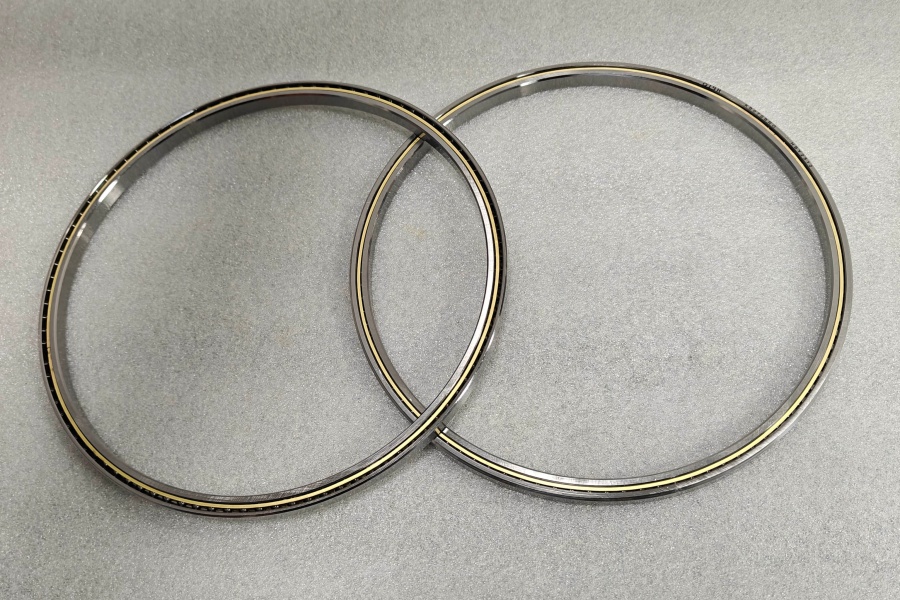
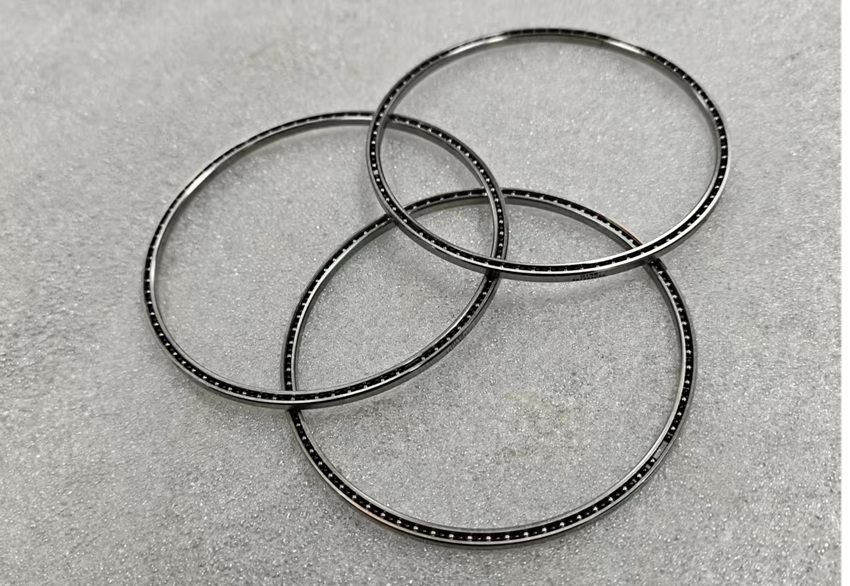
One critical component that helps achieve these goals is the ultra-thin-section ball bearing. Designed with a slim cross-section and exceptional precision, these bearings are becoming the preferred choice for robotics manufacturers worldwide.
Key Reasons Robotics Manufacturers Choose Ultra-Thin-Section Ball Bearings
1. Save Space Without Sacrificing Performance
Robotic joints and actuators are becoming increasingly compact. Ultra-thin-section bearings occupy minimal installation space while maintaining excellent mechanical strength, allowing engineers greater flexibility when designing smaller robotic arms and end effectors.
2. Improve Motion Accuracy
Precision is essential in robotic applications such as assembly, welding, semiconductor manufacturing, and medical procedures. High-quality ultra-thin-section ball bearings provide smooth rotation, minimal runout, and consistent positioning accuracy, helping robots perform highly repeatable movements.
3. Reduce Overall Weight
A lighter robot consumes less energy, moves faster, and places less stress on motors and drive systems. The lightweight design of ultra-thin-section bearings contributes directly to improved robot efficiency and dynamic performance.
4. Lower Friction for Smooth Operation
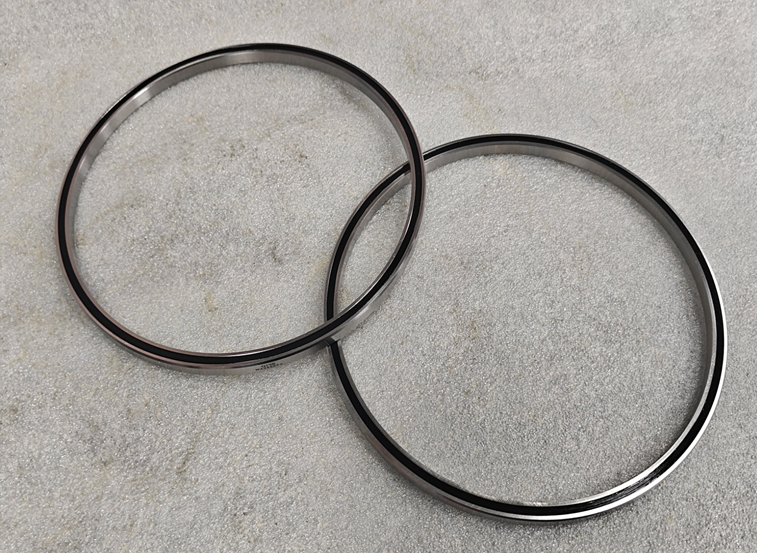
Low-friction operation helps reduce heat generation and energy consumption while extending service life. Smooth bearing performance is especially important for collaborative robots that require quiet, precise, and continuous motion.
5. Support High-Speed and Continuous Operation
Many robotic systems operate around the clock. Ultra-thin-section ball bearings are manufactured with high-precision raceways and optimized internal geometry to deliver reliable performance during long periods of continuous operation.
6. Adapt to Various Robotic Applications
Ultra-thin-section bearings are widely used in:
- Industrial robotic arms
- Collaborative robots (cobots)
- Medical robots
- Automated guided vehicles (AGVs)
- Inspection and measurement equipment
- Semiconductor manufacturing equipment
- Packaging and assembly automation
Their versatility makes them an excellent solution across multiple automation industries.
7. Conclusion
As robotics continue to advance toward higher precision, lighter weight, and more compact designs, ultra-thin-section ball bearings have become an essential component. Their combination of space-saving design, precision performance, and durability enables robotics manufacturers to build faster, smarter, and more reliable machines.
If you're looking for dependable bearing solutions for your robotics projects, QIBR is ready to provide high-quality ultra-thin-section ball bearings tailored to your application requirements.