Newsroom
Why Is Internal Clearance Important for Spherical Roller Bearings?
When selecting a Spherical Roller Bearing, bearing size and load capacity are usually the first factors engineers consider. However, internal clearance is also important for achieving reliable bearing performance.
The correct internal clearance allows the bearing to operate smoothly under its actual load, speed, temperature, and mounting conditions. If the clearance is too small or too large, bearing performance and service life may be affected.
What Is Internal Clearance?
Internal clearance is the total distance that one bearing ring can move relative to the other before the bearing is mounted.
For Spherical Roller Bearings, the internal clearance determines the operating relationship between the rollers, raceways, and rings.
Common clearance classes include C2, Normal, C3, C4, and C5, with C3 and higher clearances often used when operating conditions require additional clearance.
Why Does Clearance Change After Installation?
The internal clearance measured before installation is not necessarily the clearance available during operation.
When a bearing is mounted with an interference fit, the bearing ring expands or contracts depending on the mounting arrangement. This reduces the original internal clearance.
Temperature also has an effect. During operation, the inner and outer rings may reach different temperatures, causing different amounts of thermal expansion.
As a result, engineers should consider the operating clearance, rather than selecting a clearance class based only on the bearing's initial condition. 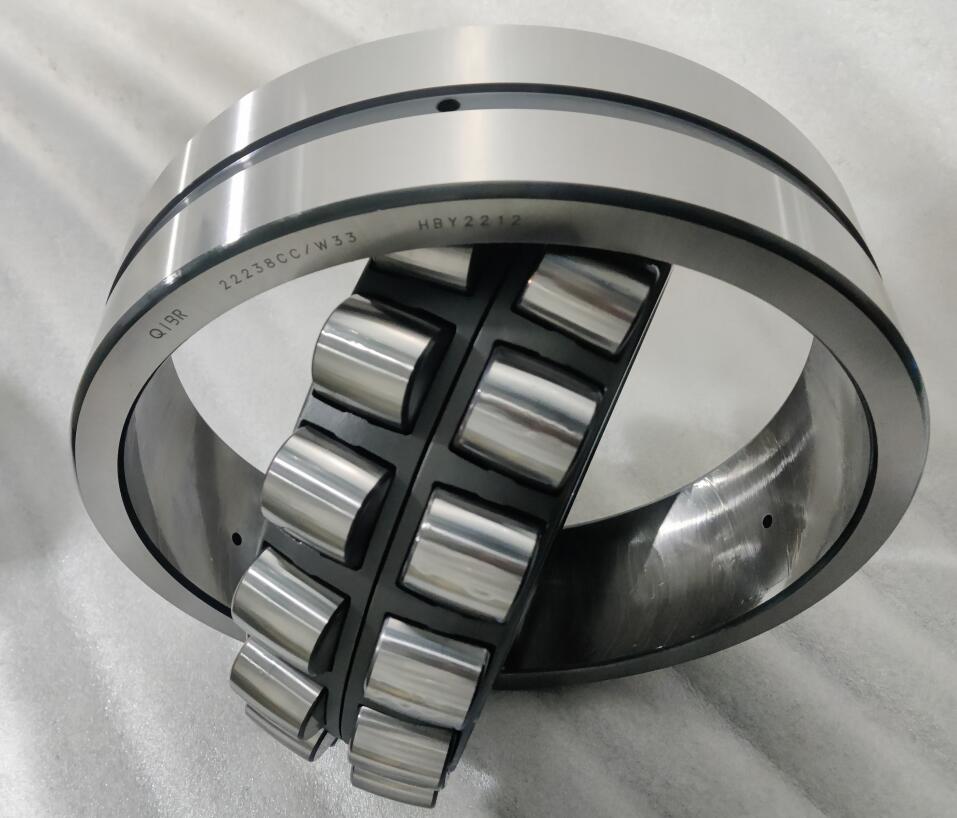
What Happens If the Clearance Is Too Small?
If the internal clearance is insufficient, the bearing may operate with excessive preload.
This can lead to:
- Increased friction
- Higher operating temperature
- Increased power consumption
- Poor lubrication conditions
- Premature bearing damage
For equipment operating at elevated temperatures or with significant interference fits, a larger initial clearance may be required to achieve the appropriate operating condition.
What Happens If the Clearance Is Too Large?
Excessive internal clearance can also be undesirable.
It may result in:
- Increased vibration
- Reduced rotational accuracy
- Uneven load distribution
- Increased roller movement
- Reduced stiffness
Therefore, a larger clearance is not automatically better. The correct value depends on the specific application.
When Is C3 Clearance Commonly Considered?
C3 clearance is commonly considered for applications where operating conditions can significantly reduce the bearing's initial clearance.
Examples may include:
- Heavy-duty industrial machinery
- Electric motors and generators
- Gearboxes
- Mining equipment
- Fans and conveyors
- Equipment operating at elevated temperatures
However, C3 should not be selected simply because the application is heavy-duty. The actual fit, temperature, load, speed, and operating conditions should be evaluated together. 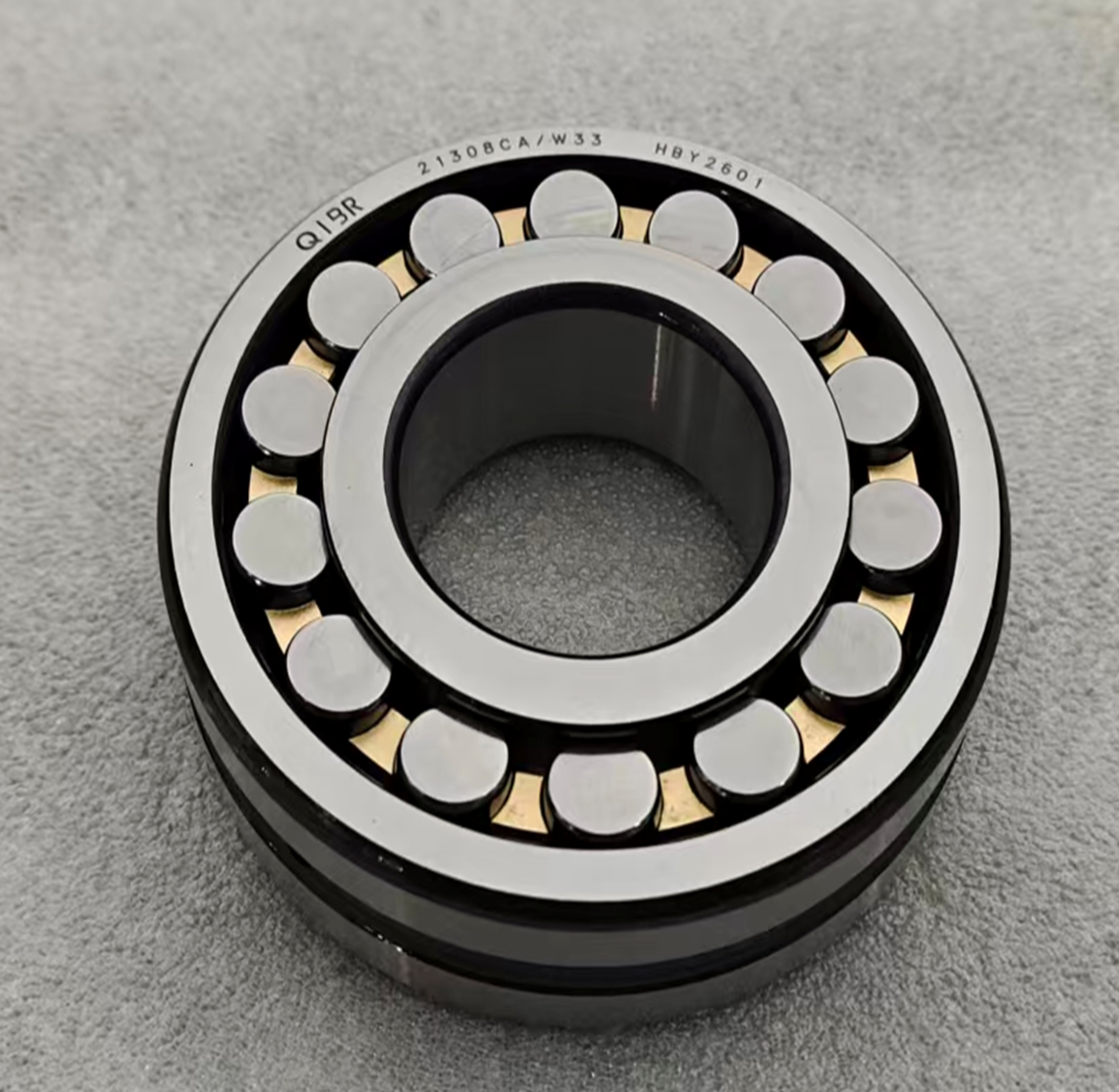
How Should You Select the Correct Clearance?
When selecting a Spherical Roller Bearing, engineers should consider:
- Shaft and housing fits
- Operating temperature
- Radial and axial loads
- Rotational speed
- Shaft deflection and misalignment
- Lubrication conditions
- Mounting method
For bearings with a tapered bore, the mounting method and amount of radial clearance reduction are particularly important. Excessive drive-up during mounting can reduce the remaining clearance too much.
Conclusion
Internal clearance is an important part of Spherical Roller Bearing selection. The correct clearance helps the bearing accommodate mounting conditions, thermal expansion, and actual operating loads.
Instead of simply choosing C3 or another clearance class based on experience, it is better to evaluate the complete operating conditions and determine the appropriate clearance for the application.
For demanding applications such as mining machinery, gearboxes, conveyors, and other heavy-duty equipment, correct bearing clearance can play an important role in achieving stable operation and long service life.