Newsroom
Why Choose Customized Ultra-Thin-Section Bearings?
2026-09-04In many modern industrial applications, standard bearings cannot always meet the requirements of compact design, limited installation space, low weight, and high performance. This is where customized ultra-thin-section bearings provide an effective solution.
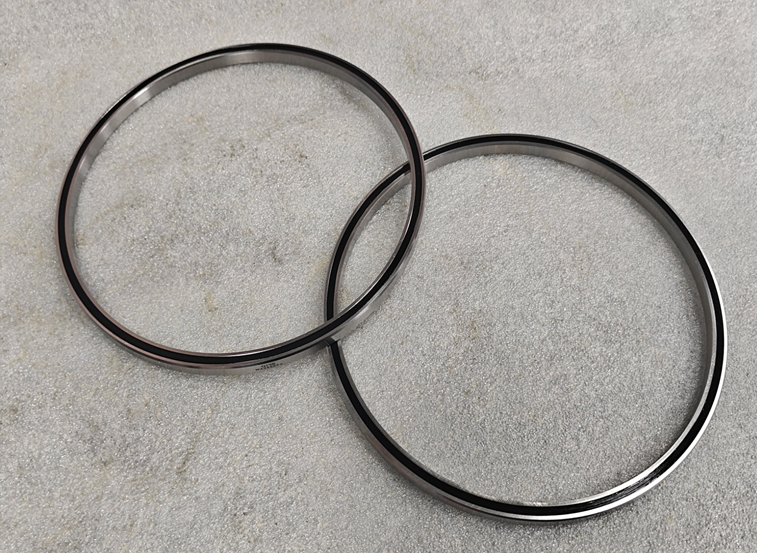
Unlike standard bearings, customized ultra-thin-section bearings can be designed according to specific application requirements, including dimensions, load capacity, materials, seals, lubrication, precision, and operating conditions. They are widely used in robotics, automation equipment, medical devices, aerospace systems, semiconductor equipment, and other precision machinery.
What Are Customized Ultra-Thin-Section Bearings?
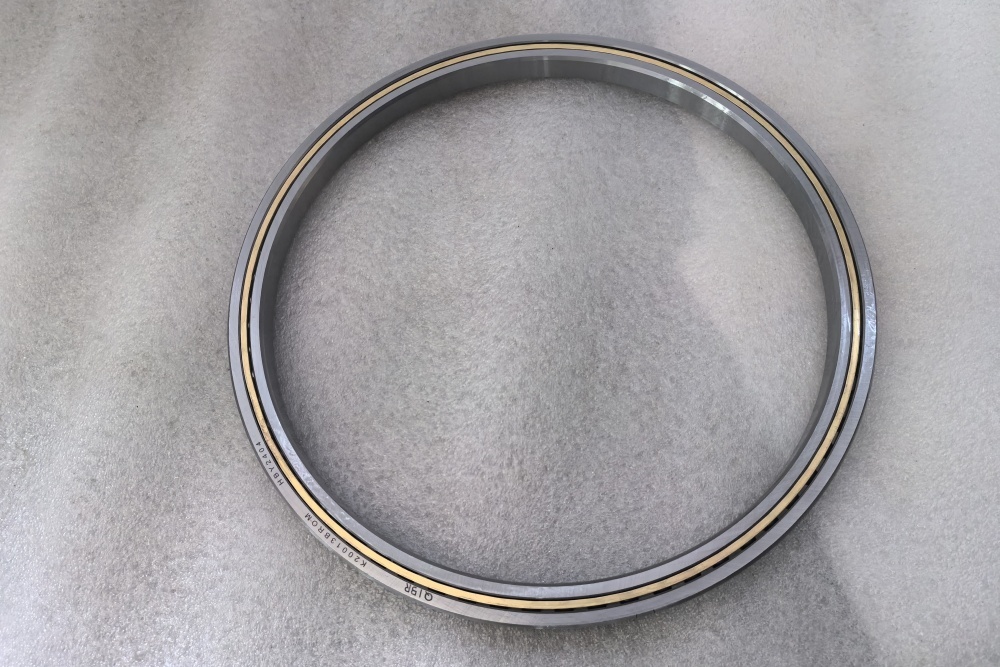
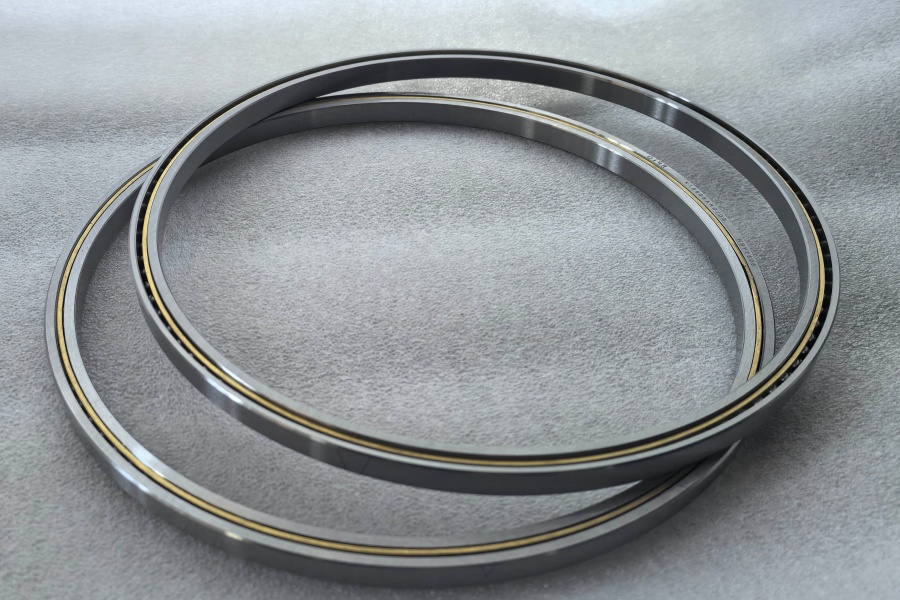
Ultra-thin-section bearings are rolling bearings designed with a small cross-sectional size compared with their bore diameter. Their compact structure allows engineers to reduce the overall size and weight of mechanical systems while maintaining reliable rotational performance.
When standard ultra-thin-section bearings cannot fully satisfy an application, customized ultra-thin-section bearings can be developed to match the customer's specific requirements.
Customization may include:
- Bore and outside diameter
- Bearing cross-section
- Radial and axial load capacity
- Bearing material
- Internal clearance
- Sealing configuration
- Cage material and design
- Lubrication and grease selection
- Precision and tolerance
- Operating temperature
- Corrosion resistance
- Special mounting or dimensional requirements
This flexibility makes customized bearings particularly useful for specialized equipment and demanding applications.
1. Optimize Limited Installation Space
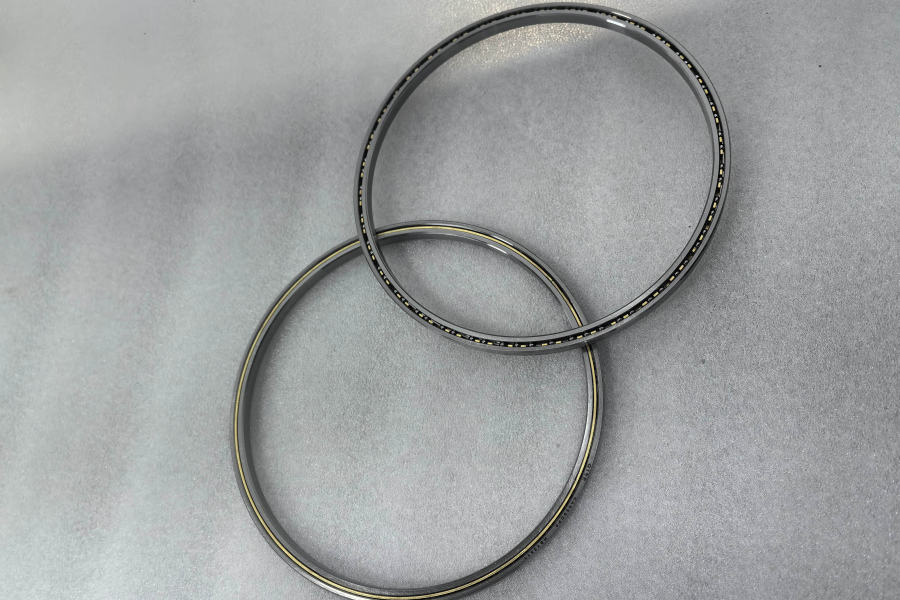
One of the biggest advantages of ultra-thin-section bearings is their compact design.
In equipment where installation space is limited, reducing the bearing cross-section can help engineers create a smaller and lighter mechanical structure. This is especially important in robotic joints, rotary tables, optical equipment, and compact automation systems.
A customized design can further optimize the bearing dimensions according to the available installation space, helping avoid unnecessary structural modifications.
2. Reduce Equipment Weight
Weight reduction is an important consideration in many modern machines.
A smaller bearing cross-section can reduce the amount of material used in the bearing and surrounding components. When multiple bearings are used in one system, the overall weight reduction can become even more significant.
For applications such as robotics, aerospace equipment, and portable medical devices, customized ultra-thin-section bearings can contribute to a lighter and more efficient design.
3. Match Specific Load Requirements
Every application has different loading conditions.
Some systems primarily experience radial loads, while others require the bearing to handle a combination of radial and axial loads. Speed, acceleration, vibration, shock loads, and operating cycles can also affect bearing selection.
With a customized bearing design, manufacturers can optimize the internal structure and bearing configuration based on the actual operating conditions.
This helps engineers select a bearing that provides the appropriate balance between:
- Load capacity
- Rotational speed
- Service life
- Friction
- Rigidity
- Overall dimensions
4. Improve Design Flexibility
Standard bearings are manufactured according to established dimensional standards. While this makes them easy to source and replace, their dimensions may not always fit specialized equipment.
Customized ultra-thin-section bearings provide greater design flexibility.
For example, customers may require a non-standard bore diameter, special mounting dimensions, customized sealing, or a particular internal clearance. Instead of redesigning the entire machine around an available standard bearing, the bearing itself can be adapted to the application.
This can simplify mechanical design and improve space utilization.
5.Choose Materials for Different Working Conditions
Different applications require different material characteristics.
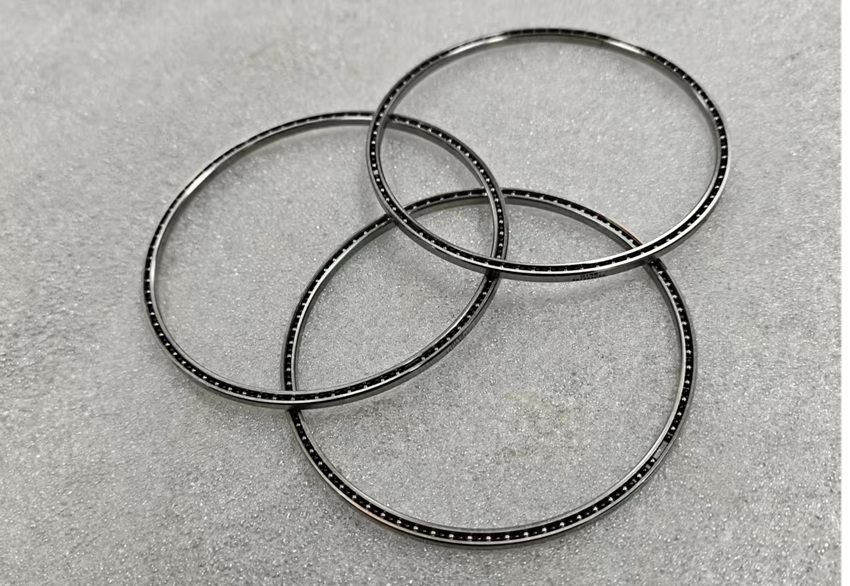
Depending on the operating environment, customized ultra-thin-section bearings can be manufactured using materials selected for strength, wear resistance, corrosion resistance, or temperature performance.
Common material options may include bearing steel, stainless steel, ceramic components, and other specialized materials.
For applications exposed to moisture, corrosive environments, high temperatures, or strict cleanliness requirements, material selection becomes particularly important.
6. Customize Seals and Lubrication
Sealing and lubrication have a direct influence on bearing performance and service life.
Depending on the application, customized ultra-thin-section bearings can be configured with different sealing solutions and lubrication systems.
For example, equipment operating in dusty environments may require enhanced sealing, while high-speed equipment may require a low-friction lubricant.
For specialized applications, the choice of grease or lubricant can also be adjusted according to temperature, speed, load, and environmental conditions.
7. Support High-Precision Applications
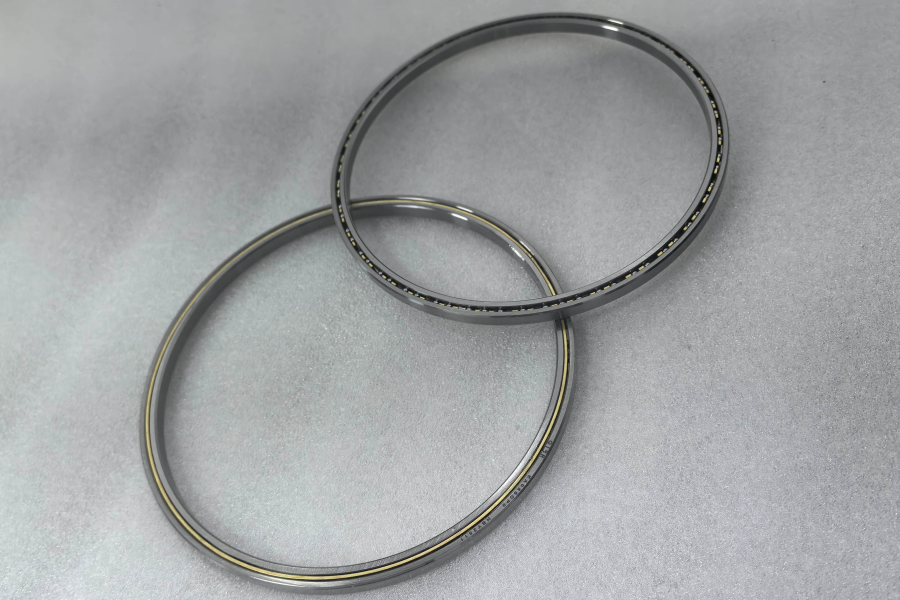
Many precision machines require bearings with controlled dimensional accuracy, rotation accuracy, and internal clearance.
Customized ultra-thin-section bearings can be manufactured according to specific precision requirements, making them suitable for applications where stable and accurate rotation is important.
They can be used in equipment such as:
- Precision rotary tables
- Robotic systems
- Optical equipment
- Medical equipment
- Semiconductor machinery
- Inspection and measurement equipment
- Industrial automation systems
8. Reduce the Need for Mechanical Redesign
When a standard bearing does not fit an application, engineers may need to modify shafts, housings, mounting structures, or other components.
A customized bearing can sometimes eliminate or reduce these modifications.
By designing the bearing around the existing equipment requirements, manufacturers can help customers simplify installation and reduce engineering changes.
This can be particularly valuable for low-volume or specialized machinery where redesigning the entire system would be costly and time-consuming.