Newsroom
What is a joint bearing?
2026-09-15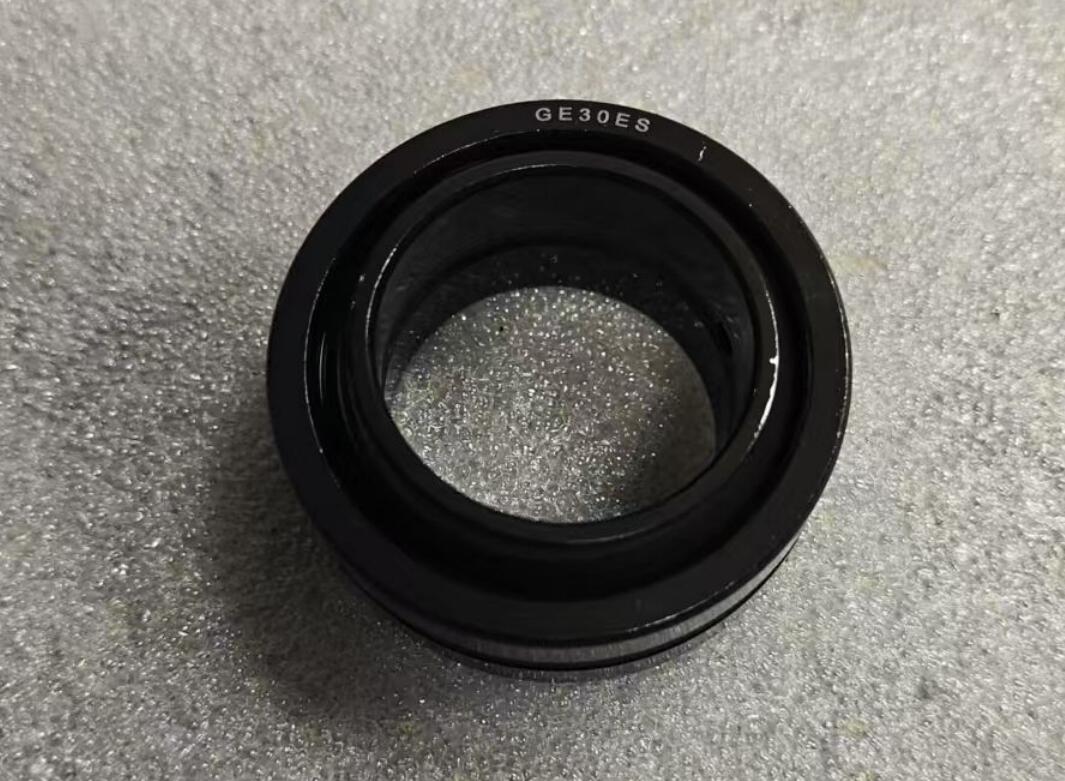 Joint bearing, also known as spherical plain bearing, is a kind of sliding bearing with a spherical sliding contact surface. It mainly consists of an inner ring with an outer spherical surface and an outer ring with an inner spherical surface. It can bear radial load, axial load or combined radial & axial load, and allow angular displacement (swinging & tilting movement) between the shaft and housing.
Ⅰ. Structure
- Inner ring: Outer spherical surface, fitted on the shaft.
- Outer ring: Inner spherical surface, installed in the housing bore.
- Some types have lubrication holes/grooves; sealed versions are available to block dust and leakage.
Ⅱ. Key Features
- Simple structure, compact size, large load capacity.
- Self-aligning ability: compensates shaft misalignment, deflection and mounting error.
- Suitable for low-speed oscillating, tilting or slow rotary motion.
- Good wear resistance with proper lubrication.
Ⅲ. Main Material
- Inner & outer rings: bearing steel, stainless steel; surface hardened.
- Liner options: PTFE composite, bronze, etc. (maintenance-free types use PTFE liner, no need for re-lubrication).
Ⅳ. Classification
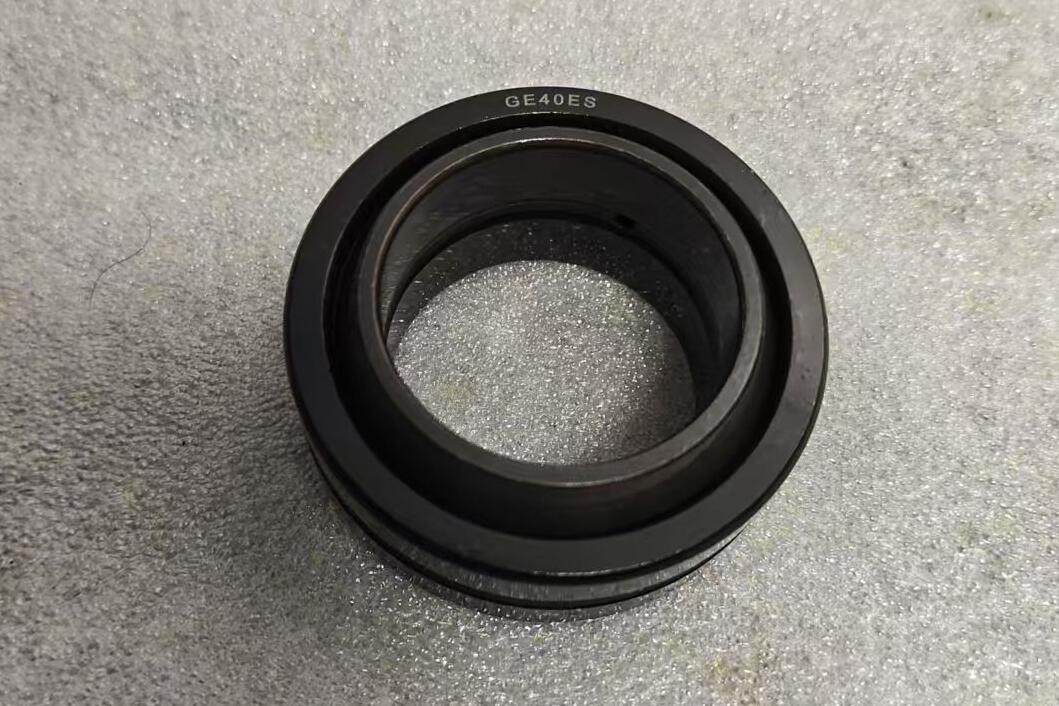
- Radial spherical plain bearings (GE series): Primarily bear radial load, can take limited axial load.
- Angular contact spherical plain bearings (GAC series): Bear combined radial and axial loads.
- Thrust spherical plain bearings (GX series): Mainly withstand axial load.
- Maintenance type: need regular grease/oil filling.
- Maintenance-free type: with self-lubricating liner.
Ⅴ. Joint Bearing Application
1) Construction & engineering machinery
Hydraulic cylinders, excavator arm linkages, crane booms, loaders, bulldozers.
2) Automotive industry
Suspension control arms, steering linkages, stabilizer bars, truck and trailer connecting parts.
3) Aerospace
Aircraft landing gear, control surface hinges, actuator joints.
4) Mining & metallurgical equipment
Rock crushers, vibrating screens, heavy conveyors, rolling mill adjustment mechanisms.
5) Robotics & automation
Robot articulated joints, positioning platforms, clamping mechanisms.
6) Hydraulic and pneumatic systems
End joints of hydraulic cylinders, piston rod connections.
7) Other heavy equipment
Lifting machinery, wind turbine pitch/yaw mechanisms, railway vehicle bogies, agricultural machinery.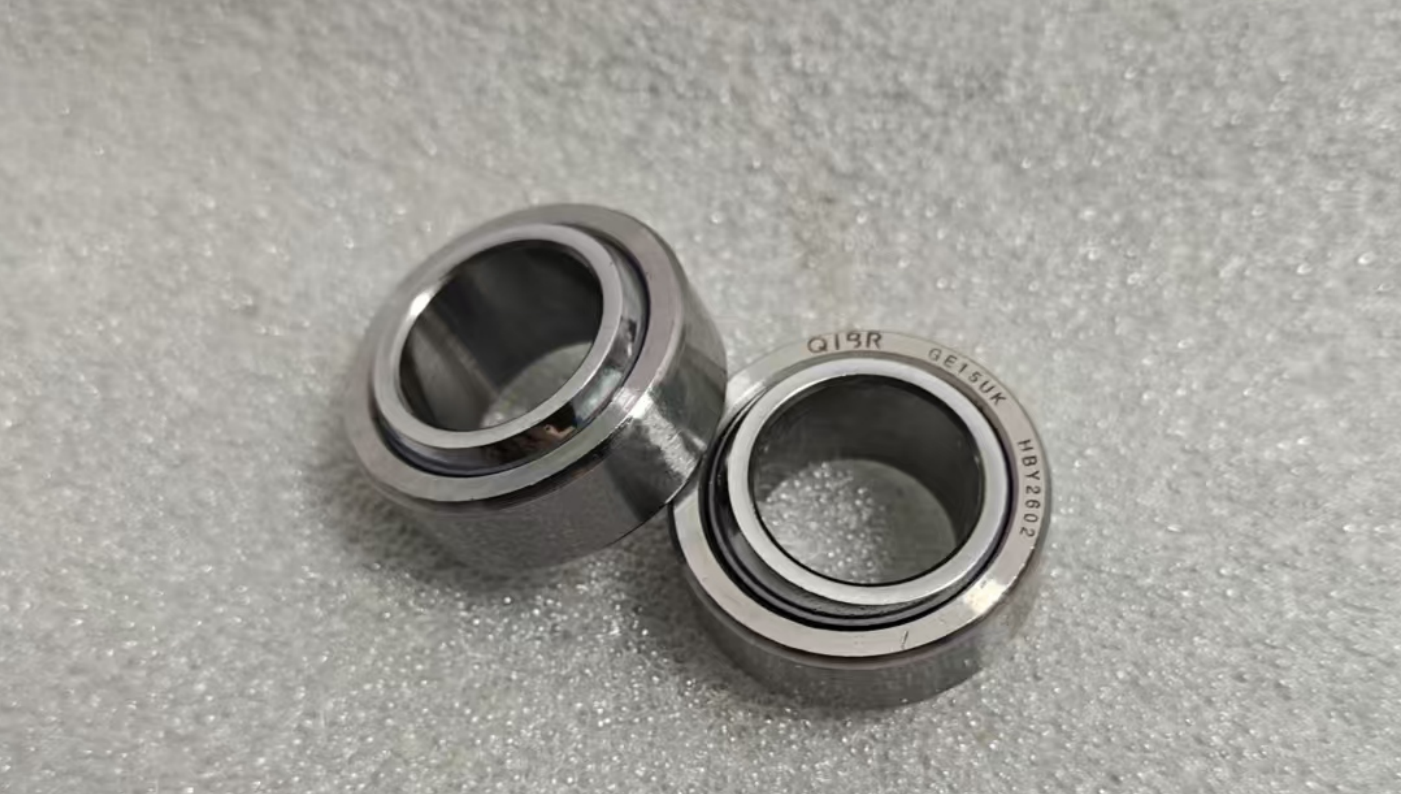
Ⅵ. Notes for Use
- Low working speed of joint bearing; not for high-speed continuous rotation.
- Control surface pressure; overload will accelerate wear.
- Keep good sealing to prevent sand, metal chips entering the friction surface.
- Lubricate regularly for non-self-lubricating models.