Newsroom
What are the uses of thin section ball bearings?
2026-05-29Their function is, literally, support, meaning they bear the weight of a shaft. However, this is only part of their role; support essentially means bearing radial loads. They can also be understood as fixing the shaft. 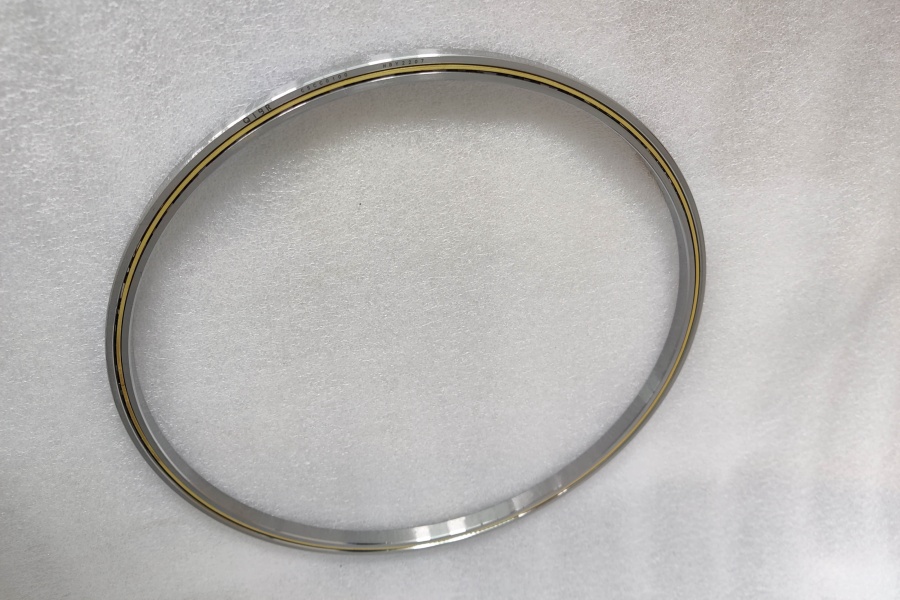
The purpose of lubrication for thin section ball bearings is to reduce internal friction and wear, preventing seizing; extending their service life; dissipating frictional heat and cooling, preventing overheating and aging of the lubricating oil; and preventing foreign matter from entering the bearing, or preventing rust and corrosion. 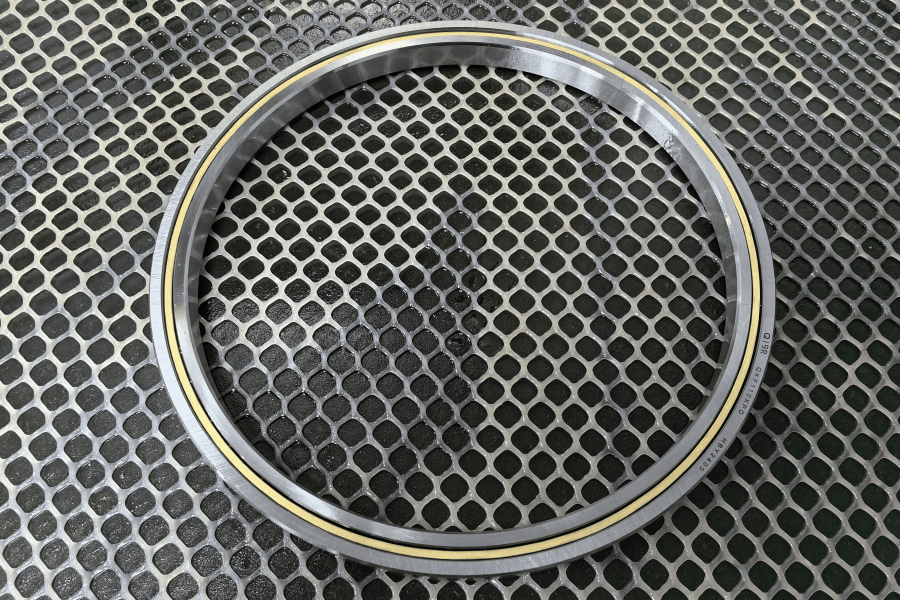
Lubrication methods for thin section ball bearings are divided into grease lubrication and oil lubrication. To ensure the bearing performs optimally, the appropriate lubrication method must be selected based on the operating conditions and purpose. If only lubrication is considered, oil lubrication is superior. However, grease lubrication has the advantage of simplifying the surrounding structure of the bearing. A comparison of the advantages and disadvantages of grease and oil lubrication is necessary. Special attention must be paid to the amount of lubricant used. Whether using oil or grease, insufficient lubrication will affect the bearing's lifespan, while excessive lubrication will create high resistance and affect the rotational speed. 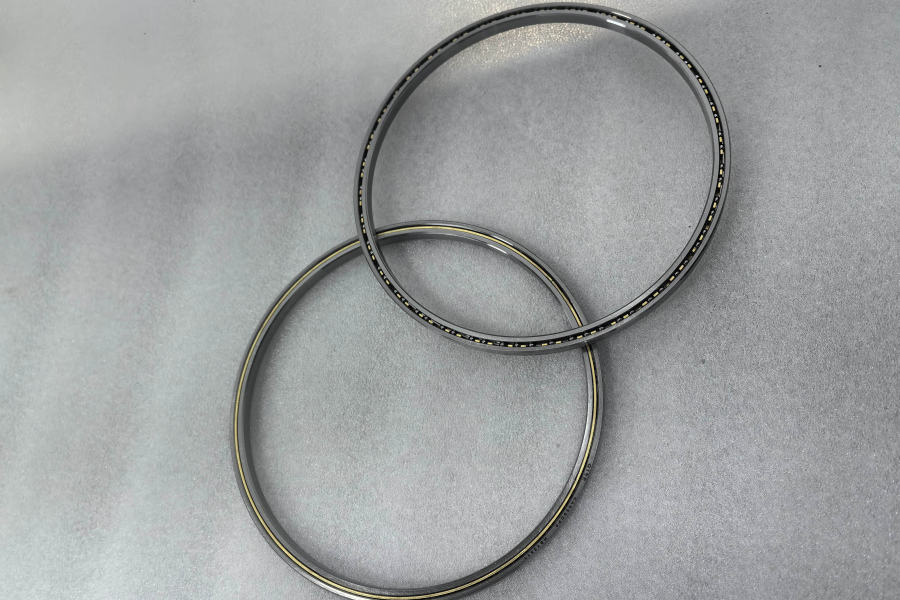
The seals of thin section ball bearings can be divided into two categories: self-sealing and external sealing. thin section ball bearings with built-in seals are those where the bearing itself is manufactured with a sealing device. Examples include bearings with dust covers and sealing rings. These seals occupy very little space, are easy to install and disassemble, and are relatively inexpensive. Externally added seals, on the other hand, are sealing devices with various properties manufactured inside the mounting end caps or other components. Externally added seals are further divided into non-contact seals and contact seals. Non-contact seals are suitable for high-speed and high-temperature applications and come in various structural forms such as gap seals, labyrinth seals, and gasket seals. Contact seals are suitable for medium- and low-speed operating conditions and commonly use felt seals and cup seals.