Newsroom
Ultra-Thin-Section Bearings in Robot Joints: What Engineers Need to Know
2026-07-24As robotics technology continues to advance, robot manufacturers are looking for components that can deliver high precision while reducing size and weight. Ultra-thin-section bearings have become an important solution for modern robotic systems, especially in compact and high-performance robot joints.
By combining a small cross-section with reliable rotational performance, ultra-thin-section ball bearings can help engineers optimize robot joint designs without sacrificing efficiency or precision.
1. Why Are Bearings Important in Robot Joints??
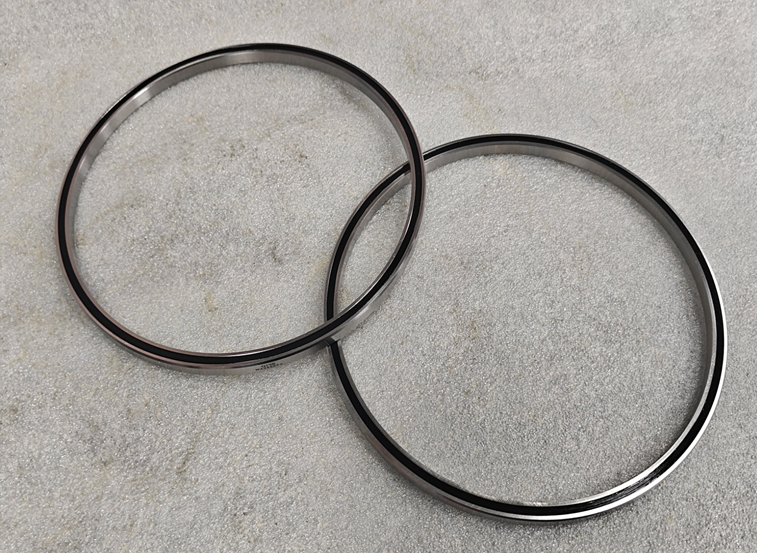
Robot joints are critical components that directly affect the robot's movement, positioning accuracy, and overall performance. Bearings used in these joints must typically withstand continuous rotation, variable loads, vibration, and demanding operating conditions.
Traditional bearings may require more installation space, which can increase the overall size and weight of the robot. For compact robotic systems, this can be a significant design challenge.
This is where ultra-thin-section bearings offer an advantage.
2. Key Benefits of Ultra-Thin-Section Bearings for Robotics
i. Space-Saving Design
One of the biggest advantages of ultra-thin-section bearings is their compact cross-section. Their space-saving design allows engineers to reduce the size of robot joints and create more compact mechanical structures.
This is particularly valuable in:
- Collaborative robots
- Industrial robots
- Robotic arms
- Precision positioning systems
- Medical robots
- Semiconductor manufacturing equipment
ii. Reduced Weight
Reducing the weight of robotic components can improve overall system efficiency. A lighter robot joint may require less energy to move and can help reduce the load on other mechanical components.
For robotic arms and collaborative robots, lower weight can also contribute to improved flexibility and dynamic performance.
iii. High Rotational Precision
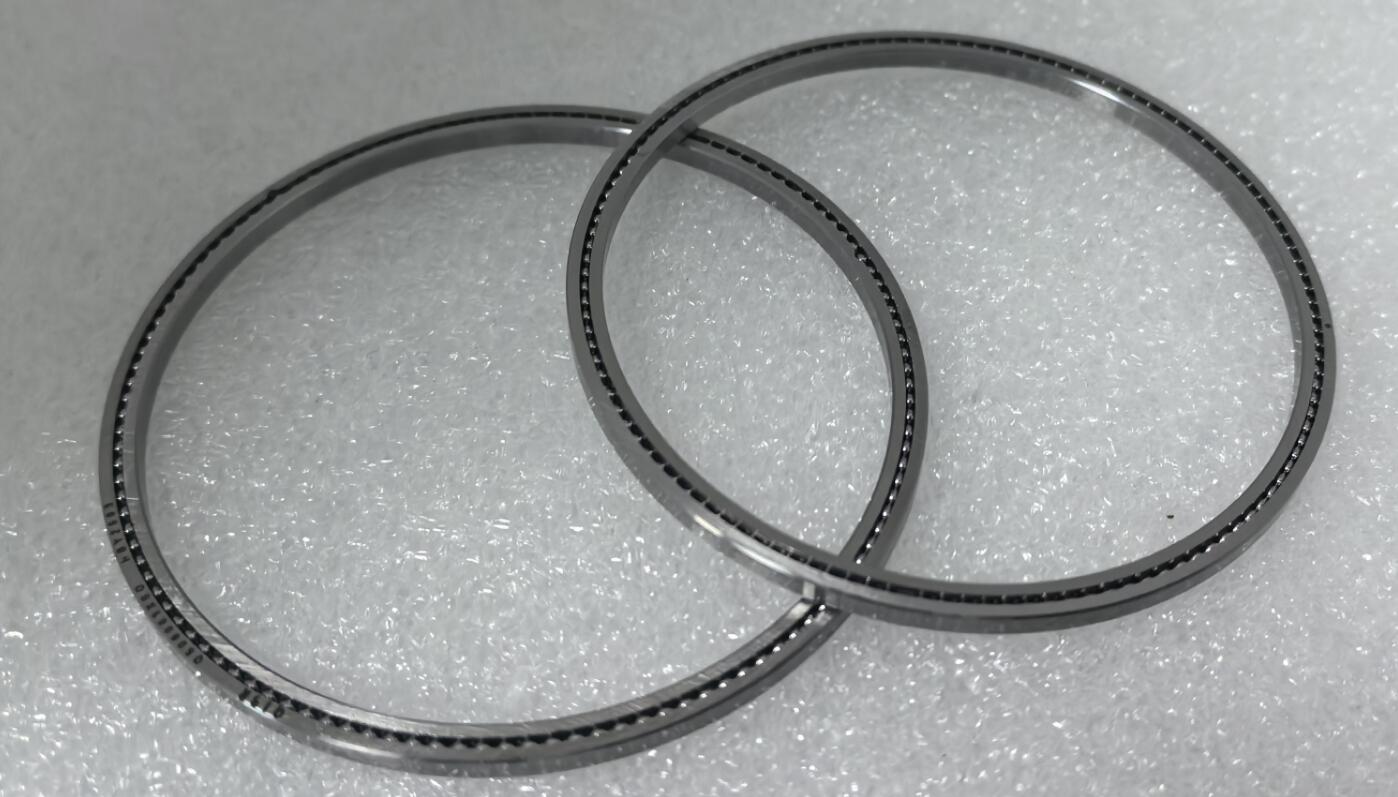
Robot joints often require smooth and precise movement. Properly selected ultra-thin-section ball bearings can provide stable rotation and help maintain the positioning accuracy required for precision robotic applications.
Bearing accuracy, internal clearance, preload, and manufacturing quality should all be considered when selecting bearings for high-precision robot joints.
iv. Design Flexibility
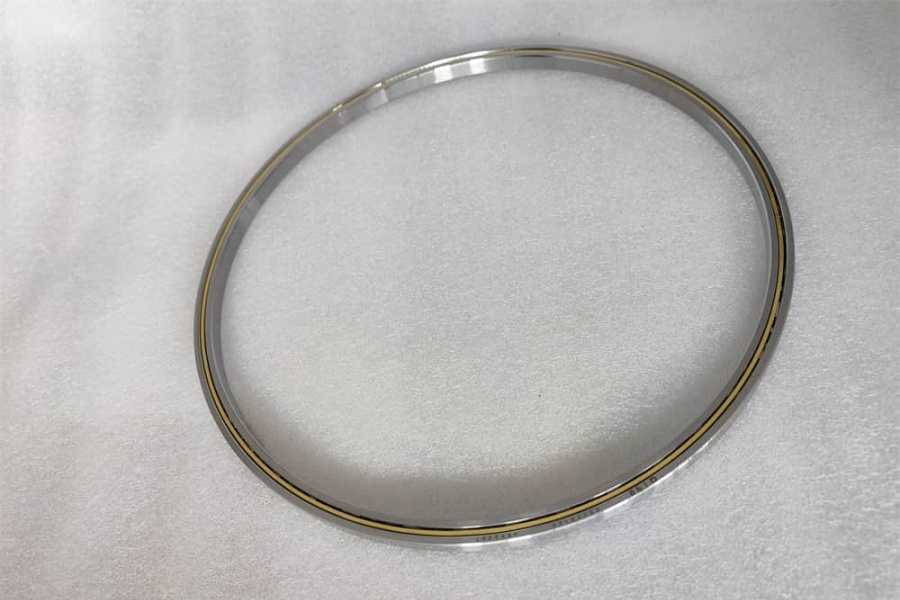
Ultra-thin-section bearings are available in different configurations and sizes, giving engineers greater flexibility when designing compact mechanical systems.
Depending on the application, engineers may choose between different bearing structures, materials, sealing options, and internal clearances to meet specific performance requirements.
3. What Should Engineers Consider When Selecting Bearings for Robot Joints?
Choosing the right ultra-thin-section bearing requires more than simply checking the bearing dimensions. Engineers should evaluate several factors.
- Load Capacity
- Bearing Clearance and Preload
- Operating Speed
- Operating Environment
- Service Life and Reliability
4. Ultra-Thin-Section Bearings and the Future of Robotics
As robots become smaller, lighter, and more precise, component manufacturers are under increasing pressure to provide compact and high-performance solutions.
Ultra-thin-section bearings can help engineers save space, reduce weight, and optimize the overall mechanical design of robotic joints. With the continued growth of industrial automation, collaborative robots, and advanced manufacturing, the demand for reliable thin-section bearing solutions is expected to continue growing.
For engineers designing the next generation of robotic systems, selecting the right ultra-thin-section bearing at the early design stage can play an important role in achieving the desired balance between size, weight, precision, load capacity, and reliability.
QIBR Bearing provides a range of thin-section and ultra-thin-section bearing solutions for applications requiring compact design and reliable performance. Contact our technical team to discuss your specific application and bearing requirements.