Newsroom
Ultra-Thin-Section Bearings for Semiconductor Equipment
2026-08-21The semiconductor industry continues to move toward smaller components, higher processing speeds, and greater manufacturing precision. As semiconductor equipment becomes more compact and sophisticated, bearing performance plays an increasingly important role in ensuring accurate and reliable motion.
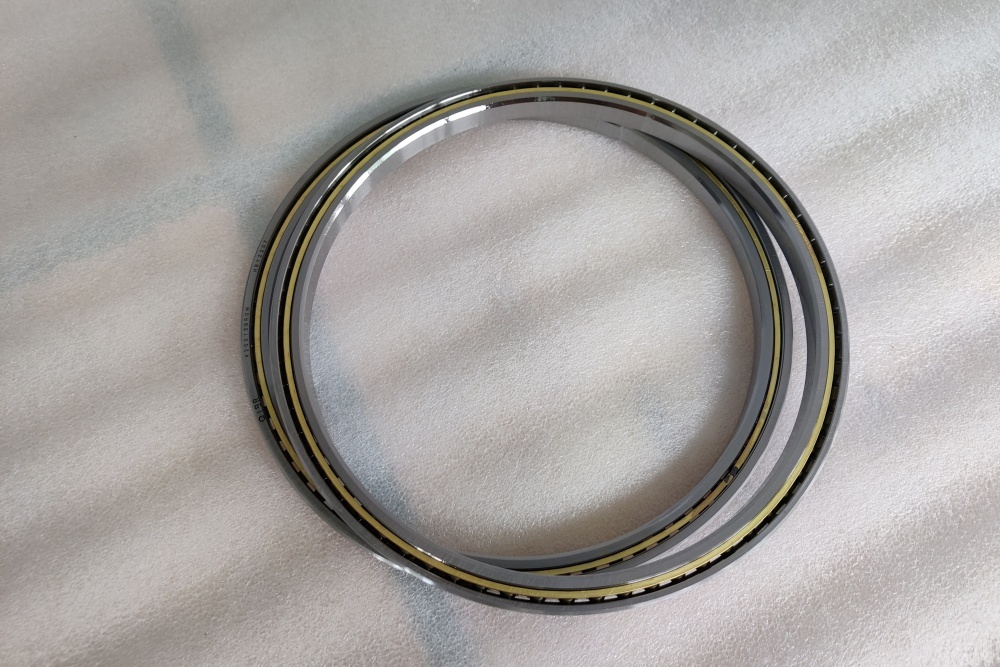
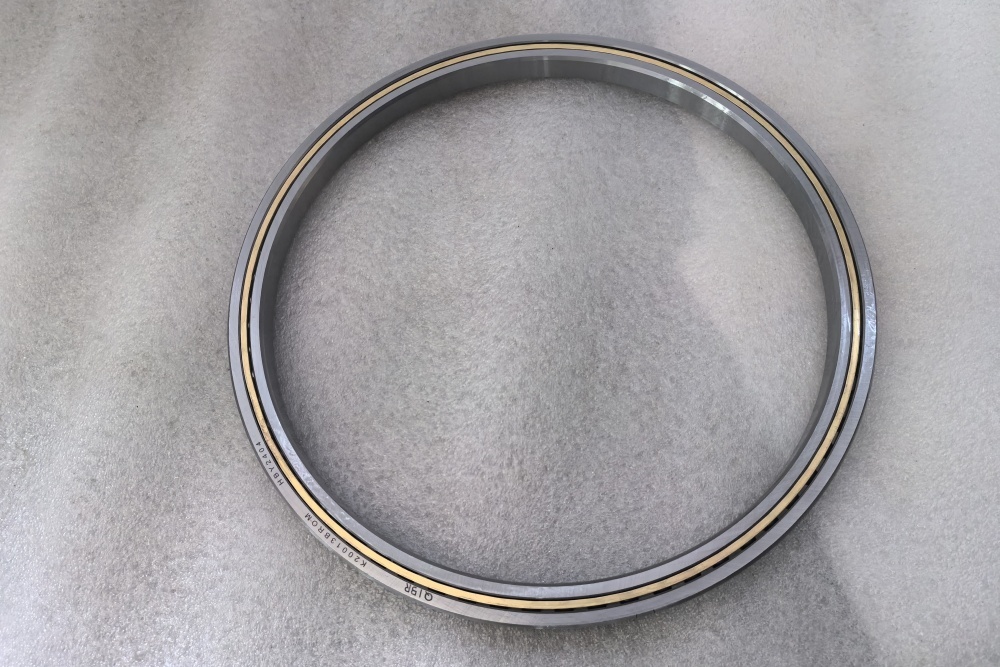
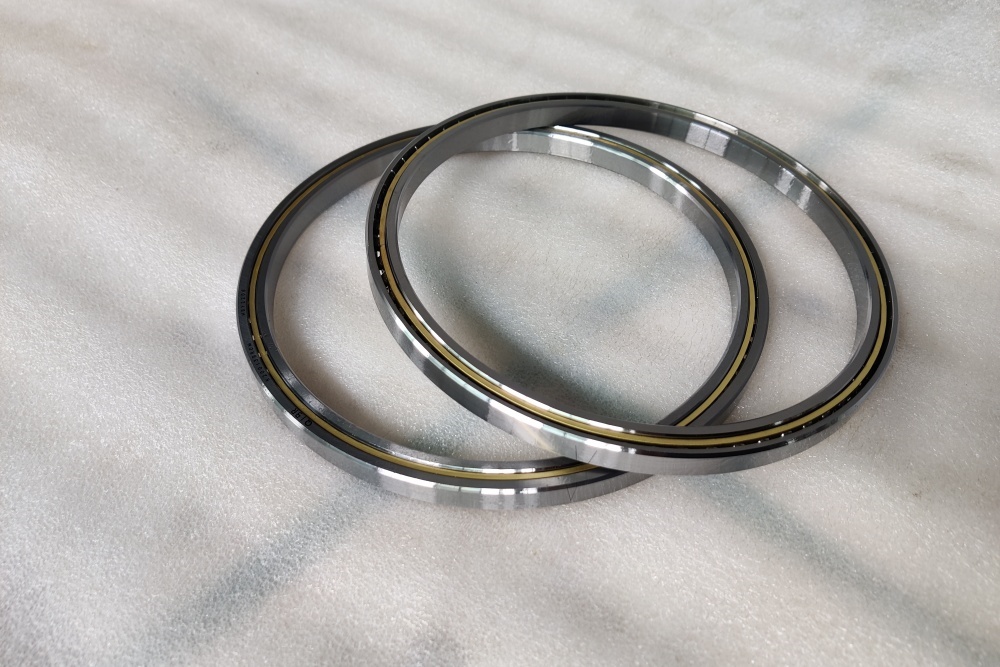
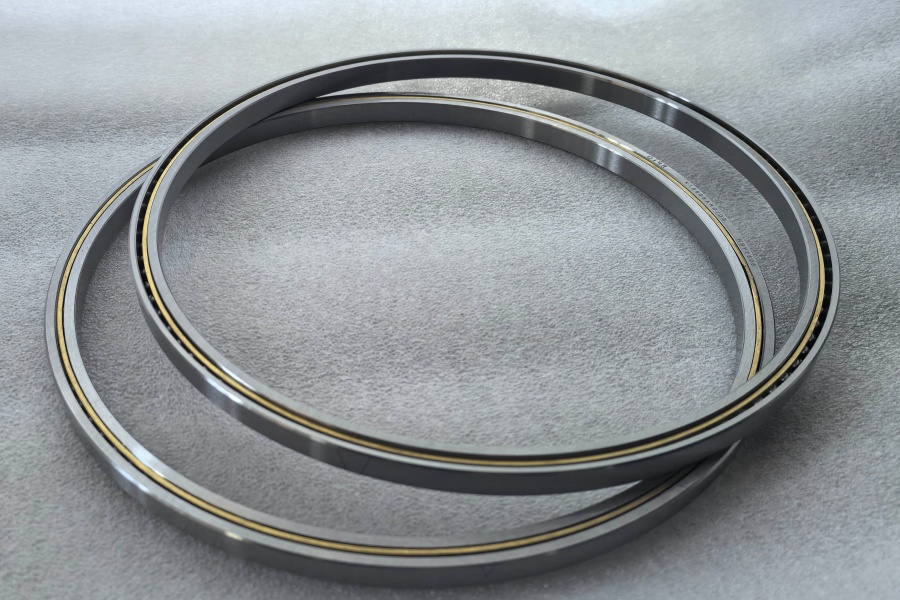
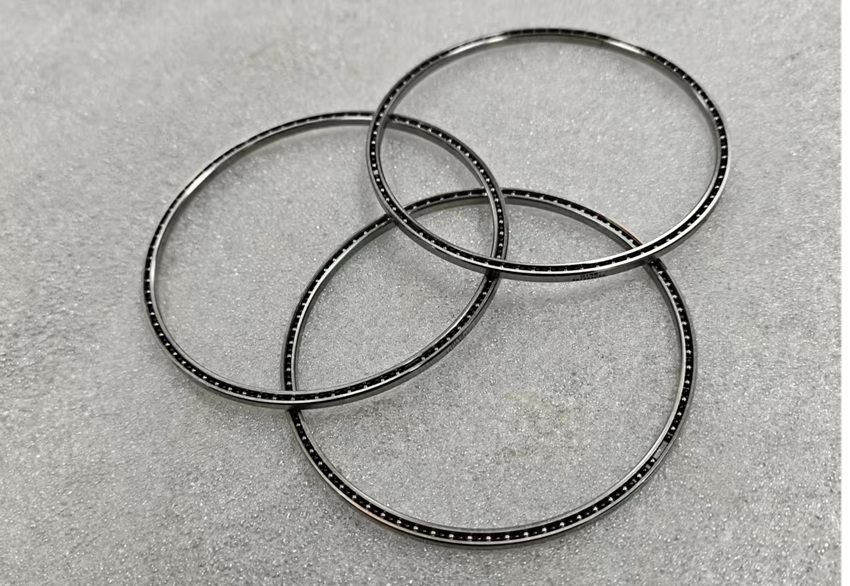
Ultra-thin-section bearings are designed to meet these demanding requirements by providing a compact structure, low weight, high rotational accuracy, and reliable performance in space-limited applications.
1. Why Are Ultra-Thin-Section Bearings Important for Semiconductor Equipment?
Semiconductor manufacturing equipment often contains multiple precision motion systems. Wafer handling robots, inspection equipment, positioning stages, and other automated systems require smooth and repeatable movement.
Traditional bearings can occupy considerable installation space and add unnecessary weight to moving components. Ultra-thin-section bearings use a smaller cross-sectional design while maintaining the required bearing diameter, making them particularly suitable for compact semiconductor equipment.
Their main advantages include:
- Compact and space-saving design
- Reduced component weight
- Low friction and smooth rotation
- High rotational accuracy
- Reliable operation in precision motion systems
- Options for cleanroom and vacuum applications
These characteristics make thin-section bearings a practical choice for semiconductor equipment where installation space and motion accuracy are critical.
2. Applications of Ultra-Thin-Section Bearings in Semiconductor Equipment
i. Wafer Handling Robots
Wafer handling robots need to move wafers smoothly and accurately between different processing stations. Excessive vibration, friction, or rotational error can affect positioning accuracy.
Ultra-thin-section bearings can help provide smooth rotary movement while reducing the size and weight of robot joints. This makes them suitable for robotic arms, wrist assemblies, and other compact rotary mechanisms.
ii. Semiconductor Inspection Equipment
Inspection and metrology systems require highly stable motion to achieve reliable measurement results. Bearing runout, friction torque, and vibration can influence the accuracy of the motion system.
High-precision thin-section bearings can support smooth rotation and consistent positioning in inspection equipment, helping equipment manufacturers achieve stable and repeatable operation.
iii. Lithography and Precision Positioning Systems
Lithography equipment requires extremely precise positioning and motion control. Bearing performance can directly influence the stability of rotary or positioning mechanisms.
Depending on the application, angular contact or four-point contact thin-section bearings can be considered when both radial and axial load capacity, stiffness, and compact dimensions are required.
iv. Vacuum and Cleanroom Equipment
Many semiconductor processes operate in controlled cleanroom or vacuum environments. In these applications, bearing selection involves more than simply considering load and speed.
Materials, lubrication, sealing, particle generation, and outgassing should also be evaluated. Specialized bearing configurations can be designed for vacuum and cleanroom applications using appropriate materials and low-outgassing lubrication.
3.Key Factors When Selecting Semiconductor Equipment Bearings
Choosing the right ultra-thin-section bearing requires a detailed understanding of the operating conditions.
i. Precision
High-precision semiconductor equipment requires consistent rotational accuracy and low runout. The required precision grade should be selected according to the motion system and equipment design.
ii. Bearing Material
Stainless steel and other specialized materials may be considered for applications requiring corrosion resistance or compatibility with controlled environments. Hybrid bearing configurations using ceramic balls may also be suitable for certain high-speed or demanding applications.
iii. Lubrication
Lubrication is particularly important in semiconductor applications. Standard grease may not be suitable for vacuum or cleanroom environments. Low-outgassing lubricants or specialized dry-film lubrication may be required depending on the operating conditions.
iv. Load and Speed
Engineers should consider radial load, axial load, moment load, rotational speed, acceleration, and operating temperature when selecting a bearing. The bearing configuration should be matched to the actual load conditions rather than relying only on dimensional compatibility.
v. Cleanliness and Contamination Control
Particle generation can be a serious concern in semiconductor manufacturing. Bearing materials, lubricant selection, seals, cage materials, and manufacturing processes can all affect contamination levels.
For critical applications, suppliers may offer specially prepared and packaged bearings for cleanroom or vacuum environments.