Newsroom
Ultra-Thin-Section Bearings for Medical Equipment
2026-08-14Medical equipment requires components that are compact, precise, reliable, and durable. As medical devices become smaller and more advanced, ultra-thin-section bearings are increasingly used to support smooth and accurate rotational movement.
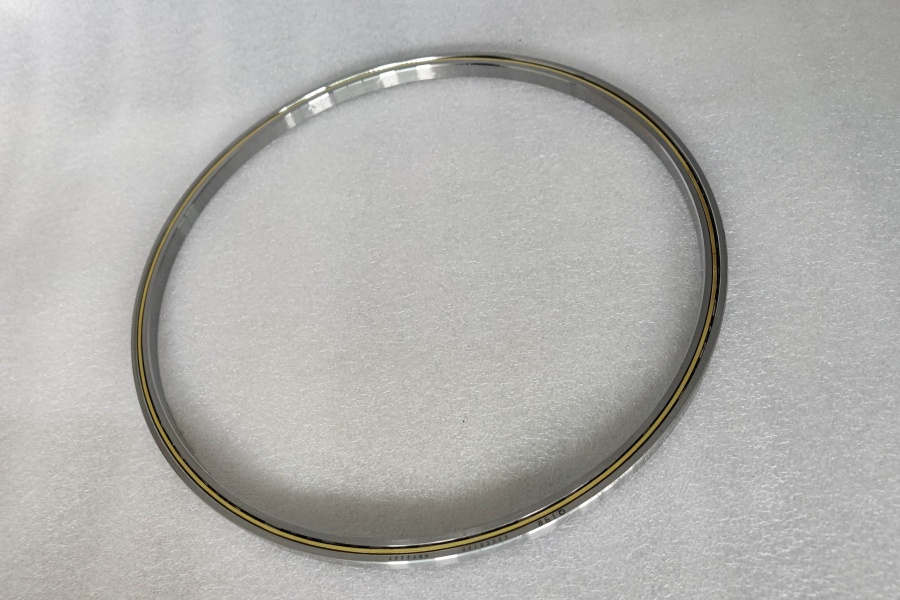
1. Why Use Ultra-Thin-Section Bearings in Medical Equipment?
i. Compact and Lightweight Design
Ultra-thin-section bearings have a small cross-section and lightweight structure. They help engineers reduce the size and weight of medical equipment while maintaining reliable rotational performance.
This is especially useful for compact imaging systems, robotic medical devices, and precision positioning equipment.
ii. High Precision
Medical equipment often requires accurate and repeatable movement. Ultra-thin-section bearings can provide smooth rotation and controlled running accuracy, helping improve the positioning performance of the entire system.
iii. Space-Saving
Limited installation space is a common challenge in modern medical devices. The compact design of an ultra-thin-section bearing allows engineers to save valuable internal space and create more flexible mechanical designs.
iv. Low Friction and Smooth Operation
Many medical devices require quiet and stable movement. With appropriate bearing design and lubrication, ultra-thin-section bearings can provide low-friction operation and smooth rotation.
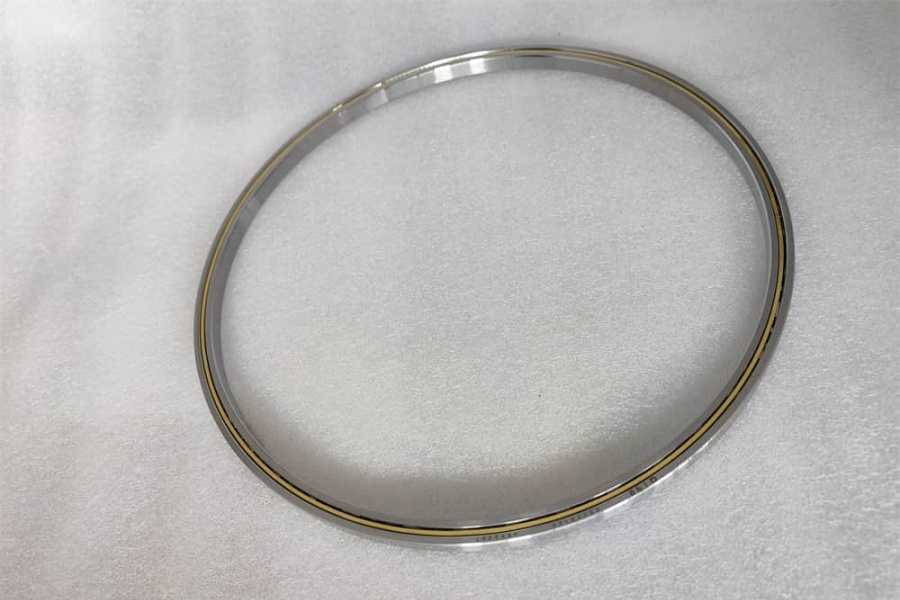
2. Applications of Ultra-Thin-Section Bearings
Ultra-thin-section bearings can be used in various medical and healthcare equipment, including:
- Medical imaging equipment
- Surgical and medical robots
- Diagnostic equipment
- Precision positioning systems
- Optical and laboratory equipment
- Rehabilitation and healthcare devices
The bearing configuration and specifications should be selected according to the actual load, speed, precision, operating environment, and service-life requirements.
3. How to Choose an Ultra-Thin-Section Bearing for Medical Equipment?
When selecting an ultra-thin-section bearing, engineers should consider several factors, including:
- Bearing size and available installation space
- Radial and axial loads
- Operating speed
- Required precision and clearance
- Temperature and operating environment
- Lubrication requirements
- Expected service life
The right bearing solution can help improve the reliability, precision, and overall performance of medical equipment.
4. Conclusion
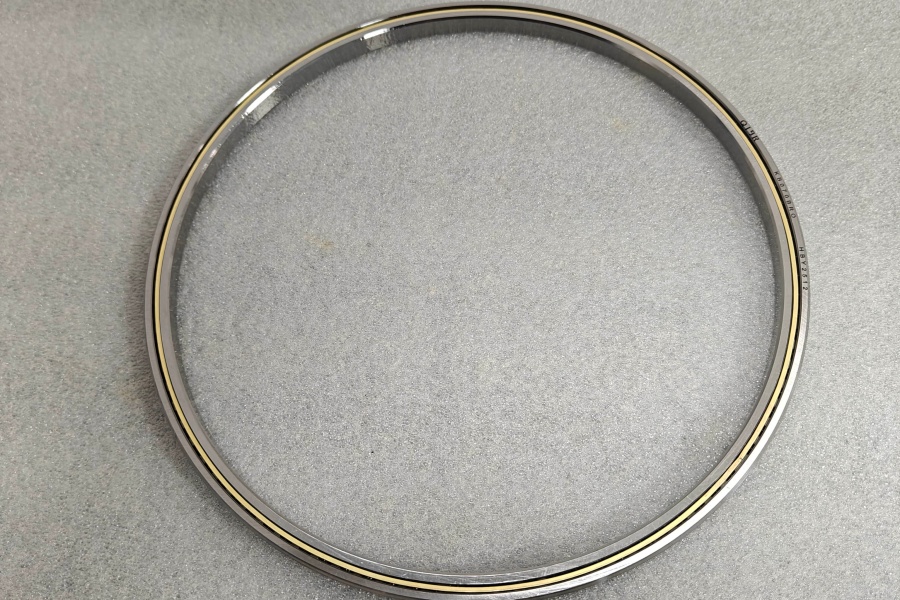
As medical equipment continues to become more compact and precise, the demand for ultra-thin-section bearings is expected to grow. Their space-saving design, low weight, precision, and smooth operation make them a valuable solution for modern medical and precision equipment.
For demanding applications, selecting the appropriate ultra-thin-section bearing based on load, speed, precision, and operating conditions is essential for achieving reliable long-term performance.