Newsroom
Thin section ball bearings – poor lubrication shortens lifespan
2026-05-29Lubrication has a crucial impact on the operation and lifespan of thin section ball bearings. Grease is made from base oil, thickener, and additives. Different types and even different brands of the same type of grease have vastly different performance characteristics and allowable rotational limits; careful selection is essential. 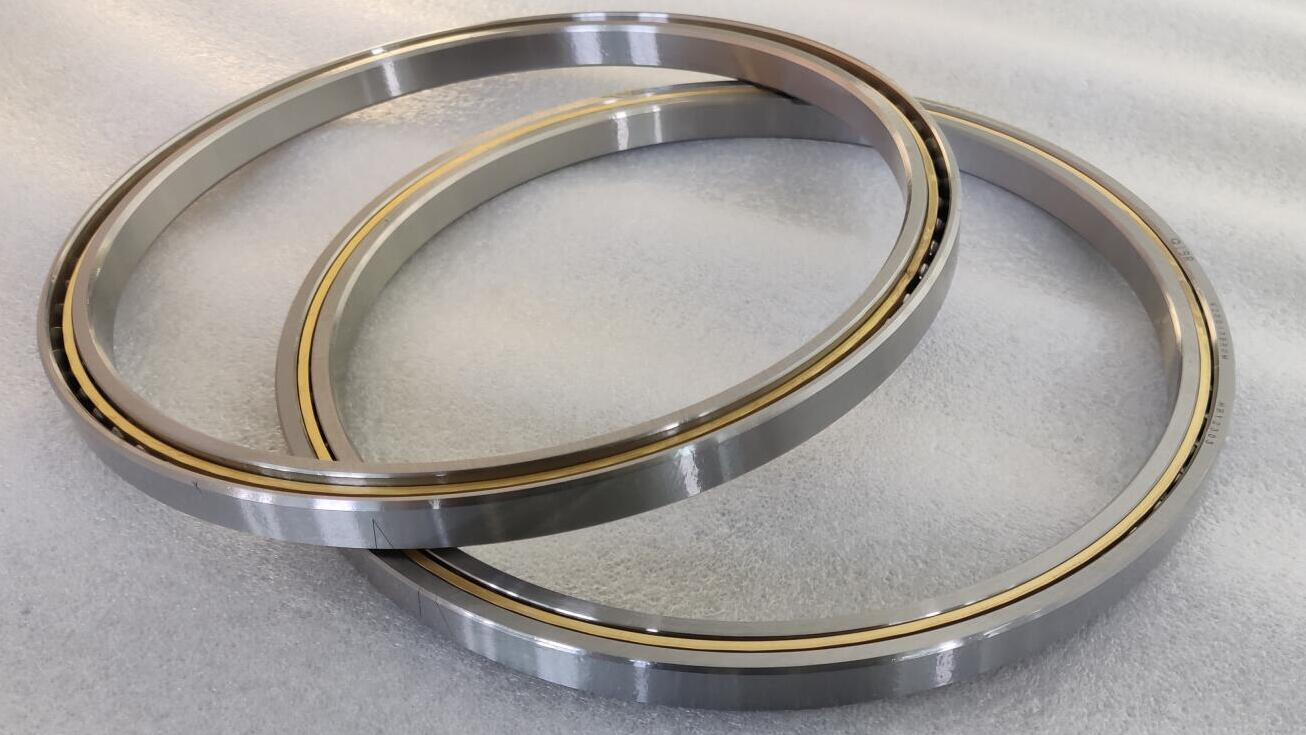
The performance of grease is primarily determined by the base oil. Generally, low-viscosity base oils are suitable for low temperatures and high speeds; high-viscosity base oils are suitable for high temperatures and high loads. The thickener also affects lubrication performance; its water resistance determines the grease's water resistance. In principle, greases from different brands should not be mixed. Furthermore, even greases with the same thickener can have adverse effects due to different additives. 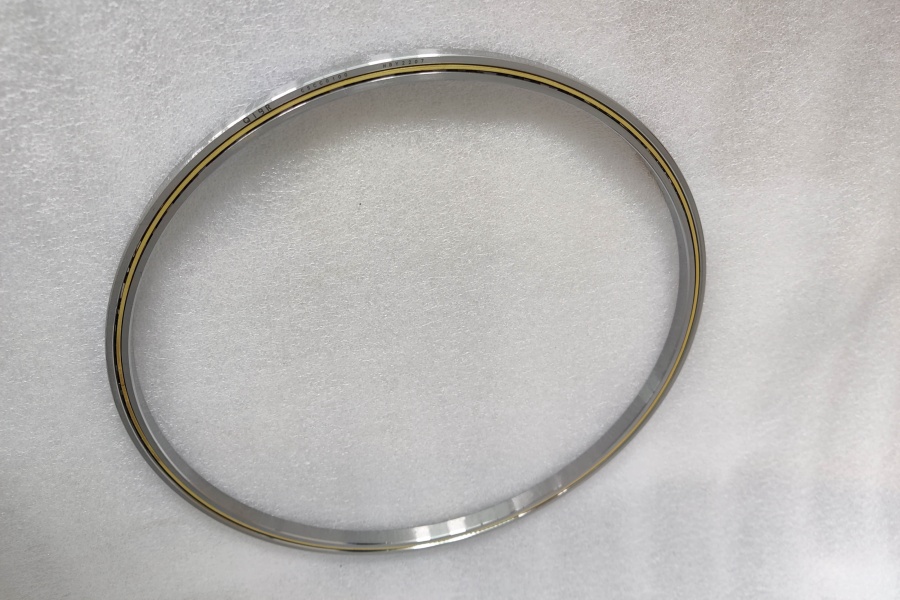
Grease lubrication involves directly applying grease to the moving surfaces of the thin section ball bearing. However, when applying grease to the bearing's raceways and sliding working surfaces, the following five principles must be followed:
(1) The grease must penetrate the working surfaces and internal gaps of the thin section ball bearing to ensure sufficient lubrication. (2) A certain amount of grease should be retained on the working surface of the bearing for a certain period of time, while preventing excessive grease loss. 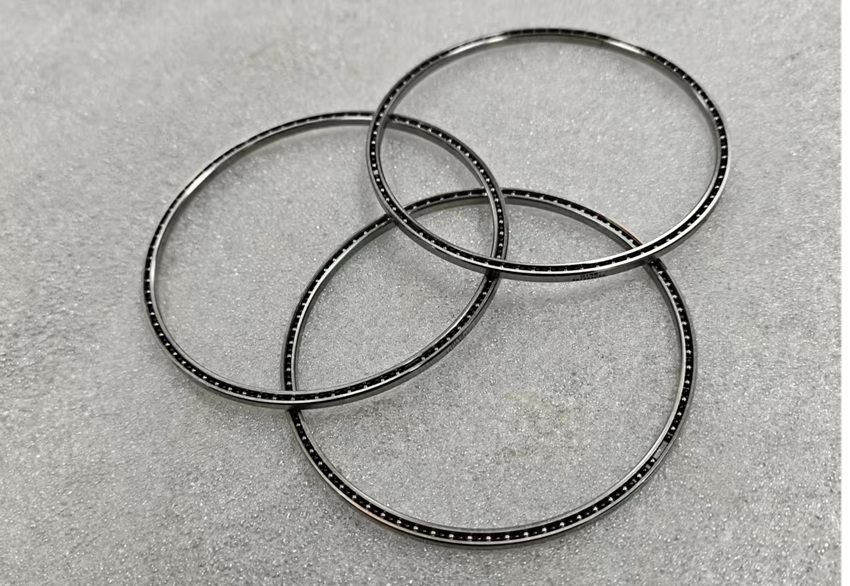
(3) The flow direction of grease input and output should be consistent with the sealing requirements, which facilitates the removal of intruding contaminants.
(4) Minimize the amount of grease used while ensuring good lubrication of the thin section ball bearing. 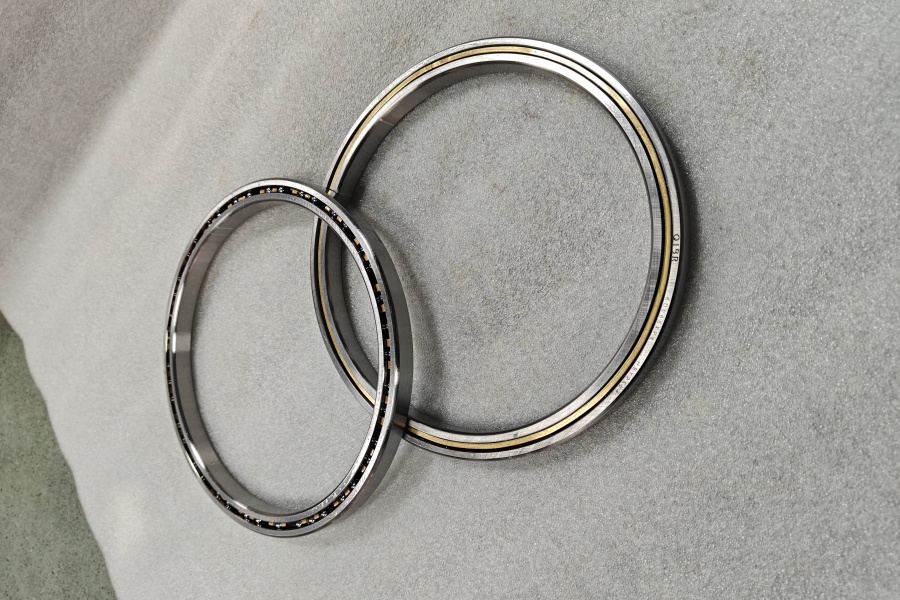
(5) Open an outlet hole at the end of the grease flow path so that newly added grease can displace the old grease, ensuring good lubrication. A special reminder: When lubricating thin section ball bearings with uniform cross-sections with grease, pay close attention to the operating temperature range of the grease. If it is not within the appropriate temperature range, the effect will be counterproductive.