Newsroom
Thin Section Ball Bearing Clearance: Why Proper Clearance Matters
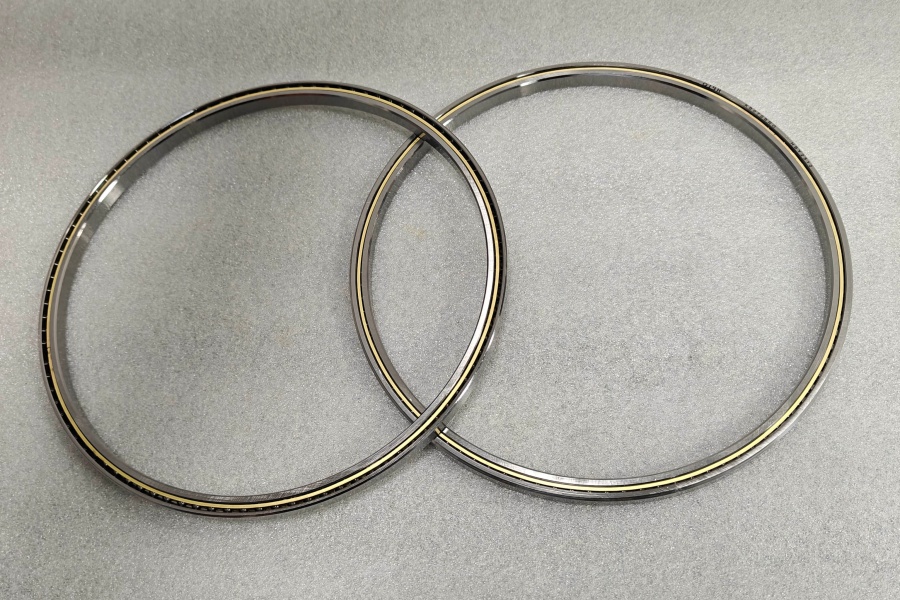
2026-07-10Thin section ball bearings are widely used in applications where space, weight, and precision are critical, including robotics, aerospace equipment, medical devices, semiconductor machinery, automation systems, and precision instruments.
Although thin section ball bearings have a compact cross-section, their performance depends heavily on one important factor: bearing clearance. Selecting the correct internal clearance ensures smooth operation, longer service life, and reliable performance under different working conditions.
1. What Is Thin Section Ball Bearing Clearance?
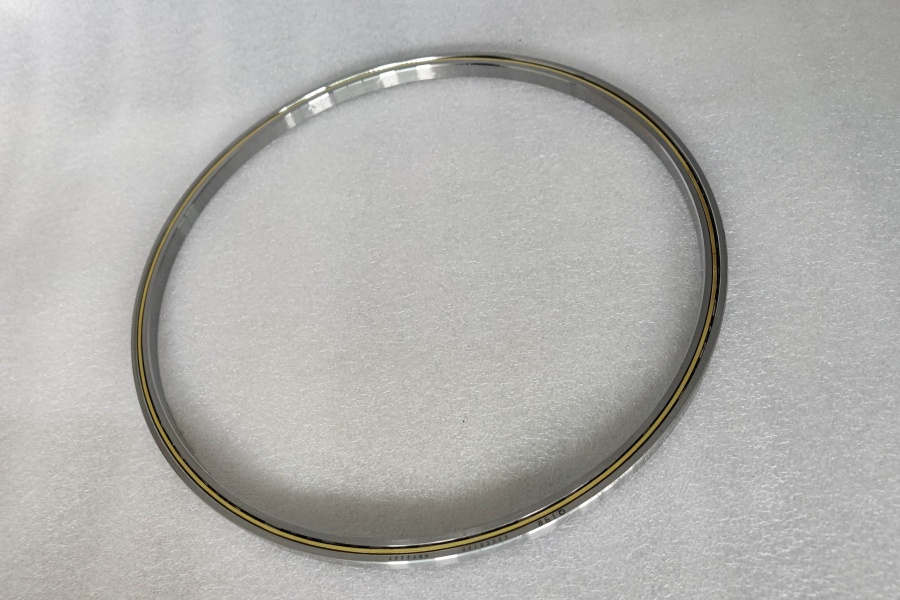
Bearing clearance refers to the internal space between the rolling elements (balls) and the raceways before the bearing is installed.
For thin section ball bearings, clearance is especially important because their lightweight design and thin rings make them more sensitive to operating conditions such as:
- Shaft and housing fits
- Temperature changes
- External loads
- Mounting deformation
- Operating speed
The correct clearance allows the bearing to operate smoothly while maintaining the required stiffness and accuracy.
2. Types of Bearing Clearance
Thin section ball bearings are generally available with different clearance options depending on the application requirements.
i. Radial Internal Clearance
Radial internal clearance is the amount of movement between the inner ring and outer ring in the radial direction.
Common clearance classes include:
- C2: Smaller than normal clearance
- CN (Normal): Standard clearance
- C3: Larger than normal clearance
- C4/C5: Extra-large clearance for special applications
The correct selection depends on factors such as operating temperature, load conditions, and mounting requirements.
ii. Axial Clearance
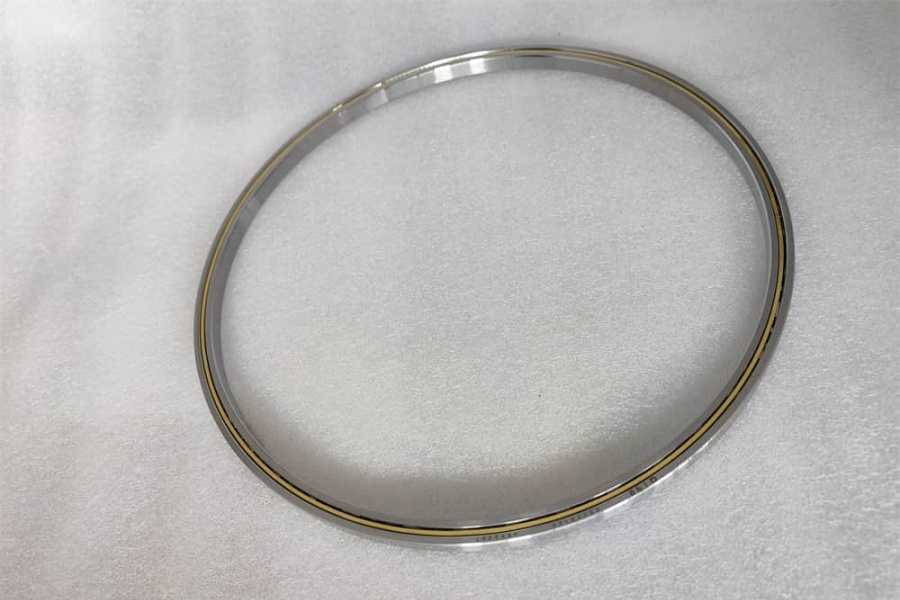
Axial clearance refers to the internal movement in the axial direction. It is important for applications requiring accurate positioning or controlled axial movement.
3. Why Proper Clearance Matters
i. Improves Bearing Service Life
Incorrect clearance can increase stress between the balls and raceways.
- Too little clearance may cause excessive friction, heat generation, and premature wear.
- Too much clearance may reduce load distribution and increase vibration.
Proper clearance helps optimize contact conditions and extend bearing life.
ii. Reduces Operating Temperature
Thin section ball bearings often operate in compact systems where heat dissipation is limited.
Excessive preload caused by insufficient clearance can increase friction torque and operating temperature. Proper clearance helps maintain efficient operation and prevents thermal problems.
Their versatility makes them an excellent solution across multiple automation industries.
iii. Maintains Precision and Rigidity
Many thin section bearing applications require high positioning accuracy, such as:
- Industrial robots
- Rotary tables
- Optical equipment
- Precision measuring devices
The right clearance provides a balance between smooth rotation and system rigidity.
iv. Compensates for Thermal Expansion
During operation, temperature increases can cause the shaft and housing to expand.
If the initial clearance is too small, thermal expansion may eliminate the internal clearance completely and create excessive preload.
Selecting suitable clearance helps the bearing maintain stable performance during temperature changes.
4. How to Select the Right Clearance for Thin Section Bearings
When selecting clearance, engineers should consider the following factors:
Operating Temperature
Higher temperatures usually require larger clearance because thermal expansion reduces internal bearing clearance.
Mounting Fits
Tight interference fits on the shaft or housing can reduce bearing clearance. The fit tolerance should always be considered during bearing selection.
Load Conditions
Heavy radial loads, axial loads, or combined loads may require a specific clearance design to achieve optimal contact between balls and raceways.
Speed Requirements
High-speed applications often require careful clearance control to reduce friction and heat generation.
5. How to Select the Right Clearance for Thin Section Bearings
For thin section bearings, clearance control requires precise manufacturing processes, including:
- Accurate raceway grinding
- Strict dimensional control
- Proper ball diameter selection
- Careful assembly adjustment
At QIBR Bearing, we control bearing clearance according to customer application requirements and provide customized solutions for different operating conditions.
Our engineering team can help select the appropriate clearance class for applications requiring high precision, low friction, high load capacity, or long service life.
6. Conclusion
Bearing clearance is a critical performance factor for thin section ball bearings. The correct clearance improves reliability, reduces heat generation, maintains precision, and extends service life.
Whether used in robotics, aerospace, automation, or precision machinery, choosing the right thin section bearing clearance is essential for achieving stable and efficient operation.
Need help selecting the right thin section ball bearing clearance? Contact QIBR Bearing for professional technical support and customized bearing solutions.