Newsroom
The Importance of Ultra-Precision Machining for Thin Section Ball Bearings
2026-05-29Ultra-precision machining is not only used in the thin section ball bearing industry, but it is also widely used in engine operation, and is increasingly being applied to other precision engineering machinery and instrumentation. The surface finishing before ultra-precision machining generally requires precision turning and grinding. Specifically, it refers to a finishing method in which, under good lubrication and cooling conditions, a fine-grit abrasive (whetstone) is used to apply minimal pressure to the workpiece, and a rapid, short reciprocating oscillation motion is performed on the workpiece, which rotates at a certain speed, perpendicular to the workpiece's rotational direction. 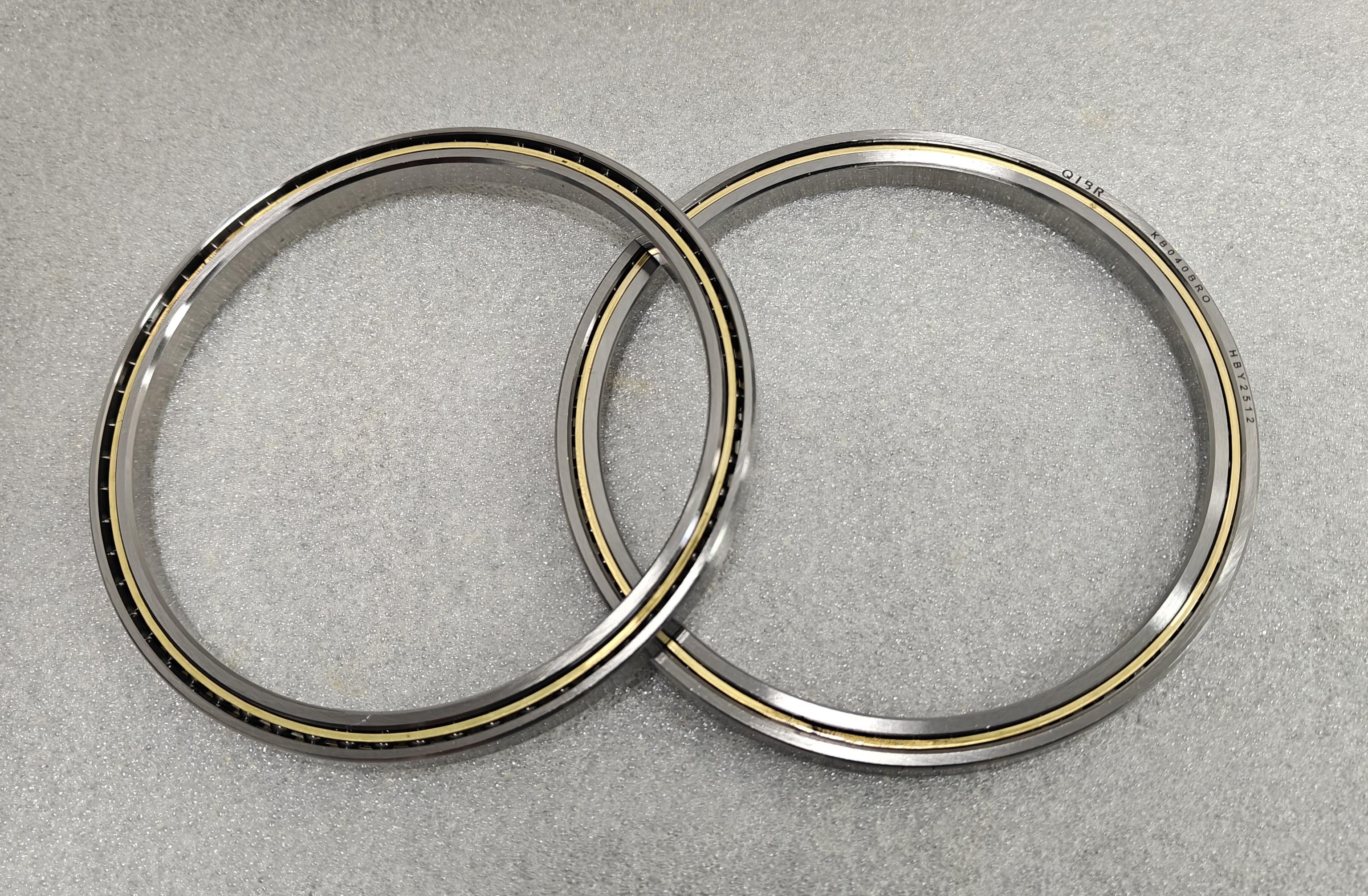
I. Ultra-Precision Machining Process for Thin Section Ball Bearings:
1. Cutting of shin section Ball Bearings: When the surface of the abrasive stone contacts the convex peaks of the rough raceway surface, the contact area is relatively small, resulting in a large force per unit area. Under certain pressure, the abrasive stone experiences a "reverse cutting" action from the thin section ball bearing workpiece, causing some abrasive grains on the abrasive stone surface to fall off and break, exposing new sharp abrasive grains and cutting edges. Simultaneously, the surface peaks of the thin sectioned ball bearing workpiece are subjected to rapid cutting. By calculating the effects of cutting and reverse cutting, the peaks and grinding-modified layers on the surface of the workpiece material can be removed. This stage is called the cutting study stage, during which most of the metal allowance is removed. 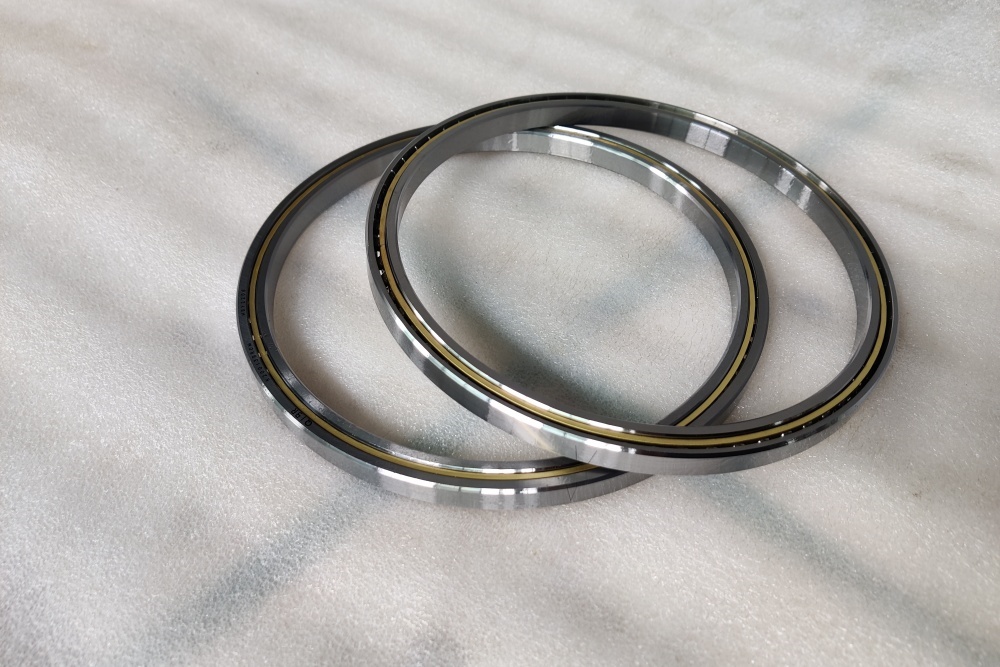
2. Semi-cutting of thin sectioned ball bearings: As machining continues, the surface of the thin sectioned ball bearing workpiece gradually becomes smooth.
II. Benefits of ultra-precision machining of thin sectioned ball bearings:
1. Effectively reduces waviness. During ultra-precision machining, to ensure that the honing stone always acts on the peaks and not the troughs, the arc of contact between the honing stone and the workpiece is greater than or equal to the wavelength of the workpiece surface waviness. This results in greater contact pressure on the peaks, removing the peaks and reducing waviness. 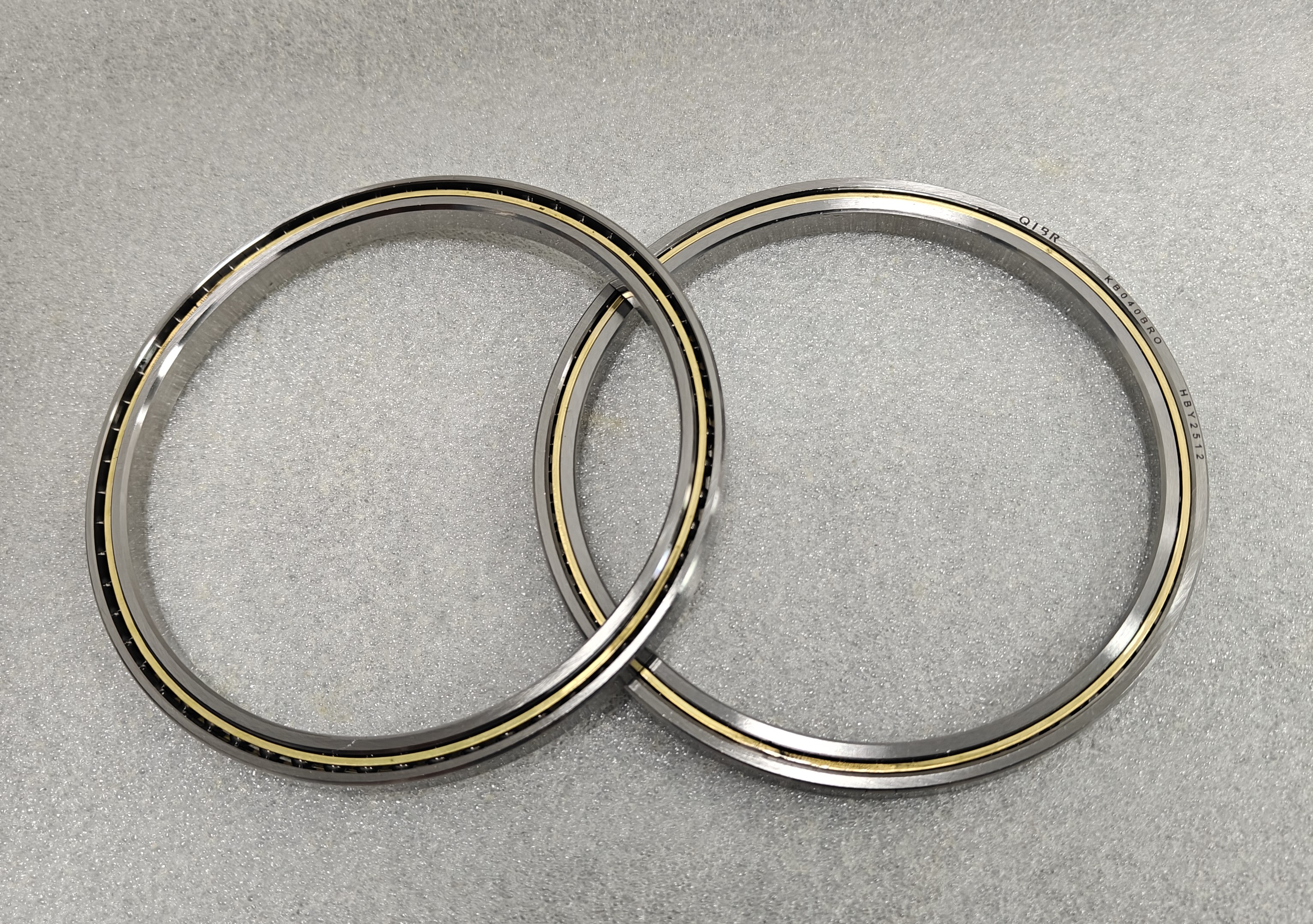
2. Improves the groove error of the raceway in thin sectioned ball bearings. Ultra-precision machining can effectively improve the groove error of the raceway by approximately 30%.
3. Induces stress on the ultra-precision surface. The primary result of ultra-refining is cold plastic deformation, which leads to residual stress on the surface of the workpiece.
4. The contact area of the working surface of the raceway can be increased. After ultra-refining, the contact bearing area of the raceway's working surface can increase from 15%~40% after grinding to 80%~95%.