Newsroom
The Future of Ultra-Thin-Section Ball Bearings in Advanced Manufacturing
2026-08-07As advanced manufacturing continues to evolve, the demand for compact, lightweight, and high-precision components is growing rapidly. Industries such as robotics, semiconductor manufacturing, medical equipment, aerospace, and automation are pushing the limits of machine performance while reducing size and energy consumption. At the heart of many of these innovations are ultra-thin-section ball bearings, which provide exceptional precision and reliability in space-constrained applications.
1. Why Ultra-Thin-Section Ball Bearings Matter
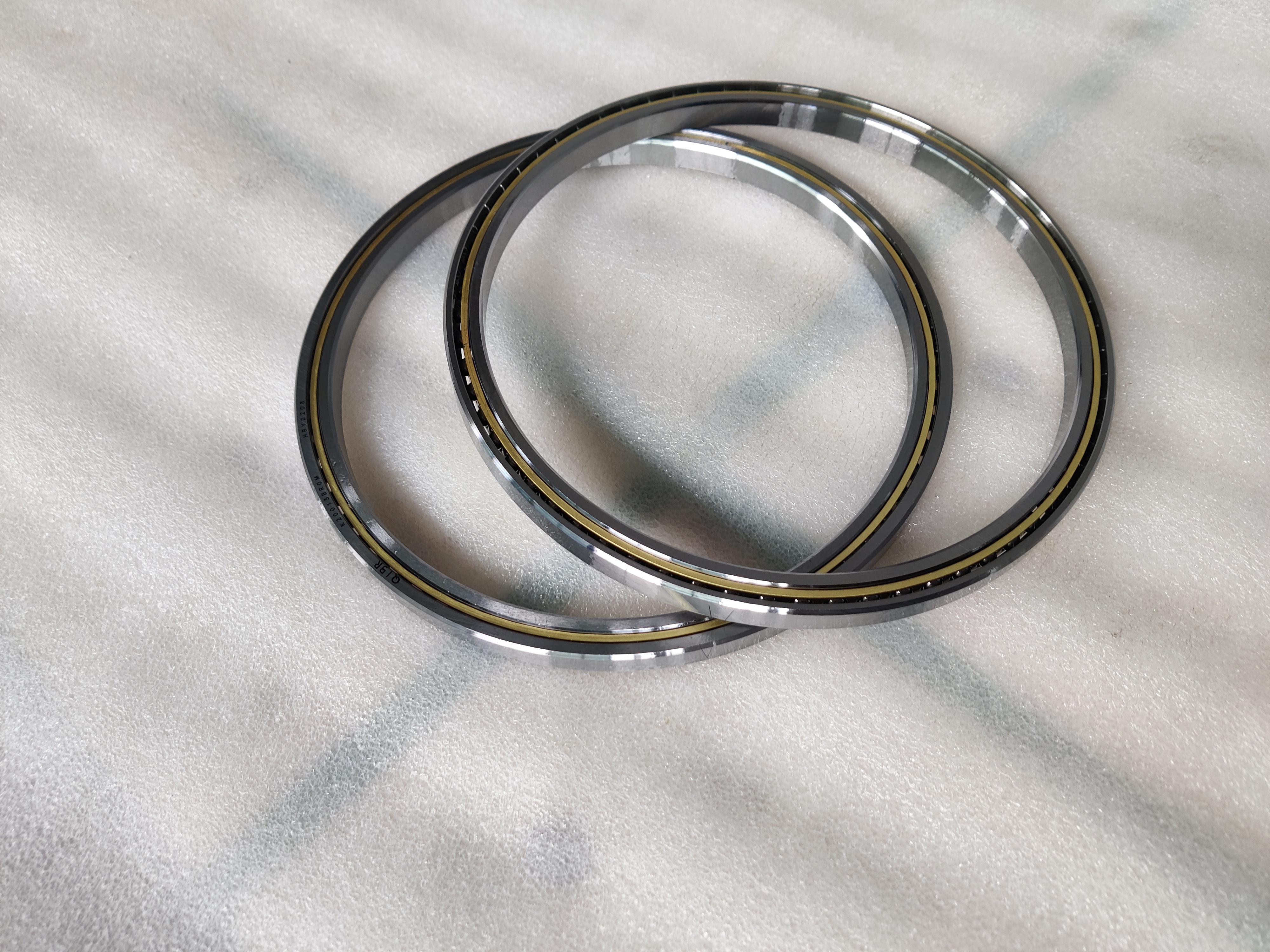
Ultra-thin-section ball bearings feature a constant cross-section regardless of bore size, allowing designers to create larger shafts without increasing bearing dimensions. Their compact design offers several key advantages:
- Lightweight construction
- Space-saving installation
- High rotational accuracy
- Low friction and smooth operation
- High load capacity
- Long service life
These benefits make them ideal for modern manufacturing equipment that demands both precision and efficiency.
2. Key Trends Driving Future Demand
i. Growth of Industrial Robotics
As factories adopt smarter automation, robots are becoming faster, lighter, and more precise. Ultra-thin-section ball bearings help reduce joint size and weight while maintaining excellent rigidity, enabling improved robot performance and energy efficiency.
ii. Expansion of Semiconductor Manufacturing
Semiconductor production requires ultra-high precision with minimal vibration. Thin-section bearings provide smooth, accurate motion for wafer handling systems, inspection equipment, and precision positioning stages.
- Low friction operation
- High rotational accuracy
- Excellent rigidity
- Minimal runout
iii. Miniaturization of Medical Devices
Medical imaging systems, surgical robots, and diagnostic equipment continue to shrink in size while increasing functionality. Ultra-thin-section bearings allow manufacturers to achieve compact designs without sacrificing performance or reliability.
iv. Lightweight Aerospace Systems
Aircraft and satellite manufacturers constantly seek weight reduction to improve fuel efficiency and payload capacity. Thin-section bearings help minimize system weight while delivering dependable performance under demanding operating conditions.
vi. Lightweight Aerospace Systems
Connected manufacturing systems require highly reliable components capable of continuous operation. Ultra-thin-section ball bearings support automated production lines by providing consistent precision, low maintenance requirements, and long operational life.
3. Emerging Technologies
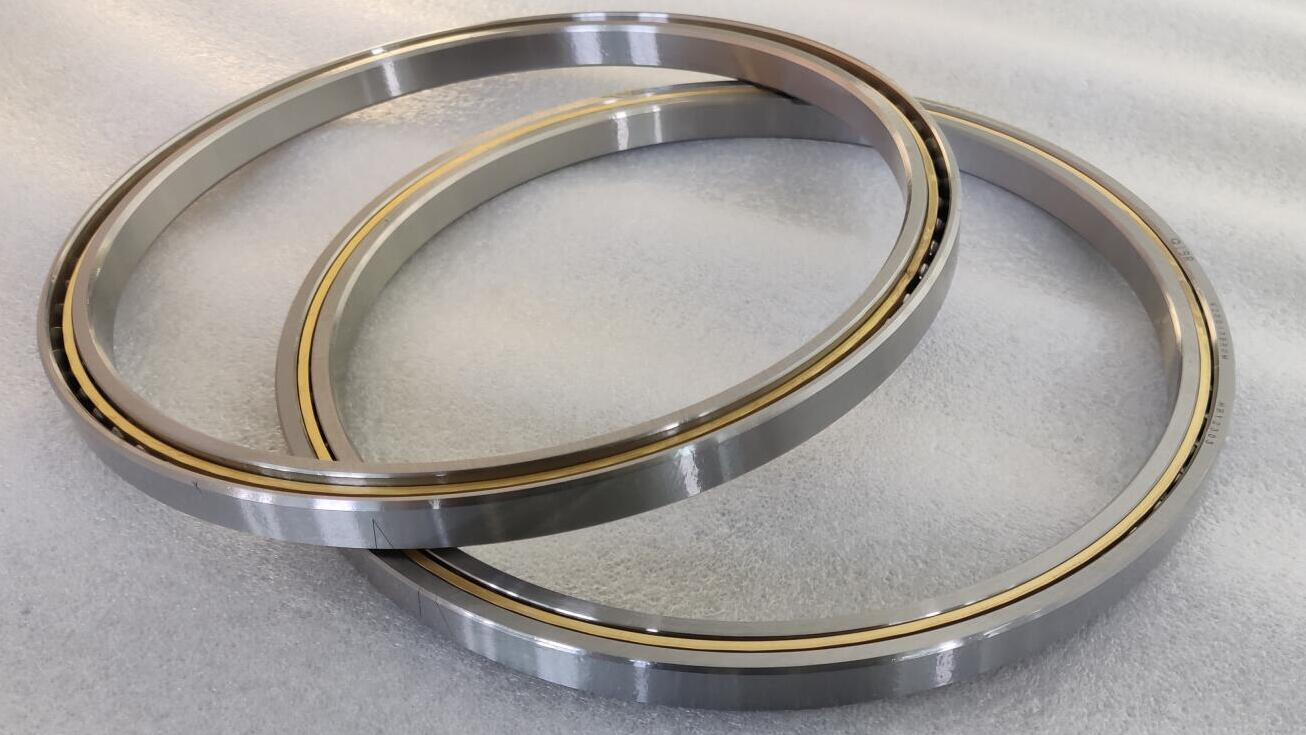
Future ultra-thin-section ball bearings are expected to incorporate advanced technologies, including:
- High-performance stainless steel and hybrid ceramic materials
- Improved lubrication systems for longer service life
- Low-friction surface treatments and specialized coatings
- Higher precision manufacturing processes
- Customized designs for industry-specific applications
These innovations will further improve efficiency, durability, and performance in demanding environments.
4. Industries That Will Benefit Most
Ultra-thin-section ball bearings are expected to see increased adoption in:
- Industrial robotics
- Collaborative robots (Cobots)
- Semiconductor manufacturing
- Medical equipment
- Aerospace systems
- Automated inspection machines
- Precision measuring instruments
- Renewable energy equipment
As these industries continue to grow, the demand for compact, high-performance bearing solutions will also increase.
5. Choosing the Right Bearing for Future Applications
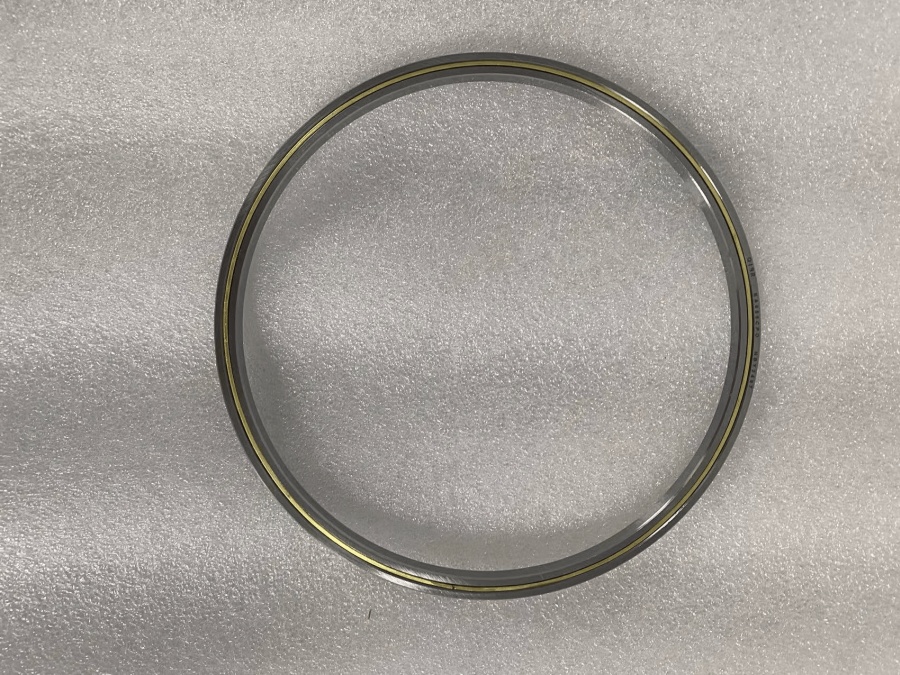
Selecting the right ultra-thin-section ball bearing requires careful consideration of:
- Load capacity
- Speed requirements
- Accuracy grade
- Operating environment
- Lubrication method
- Material selection
- Installation space
Working with an experienced bearing manufacturer helps ensure the best solution for each application.
6. Conclusion
The future of advanced manufacturing depends on components that are smaller, lighter, and more precise than ever before. Ultra-thin-section ball bearings meet these requirements by combining compact dimensions with exceptional accuracy, durability, and efficiency.
As automation, robotics, medical technology, and aerospace continue to advance, ultra-thin-section ball bearings will play an increasingly important role in enabling the next generation of high-performance manufacturing systems.