Newsroom
Preservation of Finished Thin-Section Ball Bearings
2026-05-29The oil coating (also known as oil sealing) and packaging of finished thin-section ball bearings are designed to prevent rust, mold, and damage during storage and transportation. Different oil-sealing and packaging processes are selected based on factors such as the bearing's precision grade and type, warehouse storage conditions, intended storage duration, and transportation requirements. Current preservation methods include sealing with anti-rust esters, VCI (Volatile Corrosion Inhibitor) paper, or water-based anti-rust agents, as well as combined methods using anti-rust oil and VCI paper. 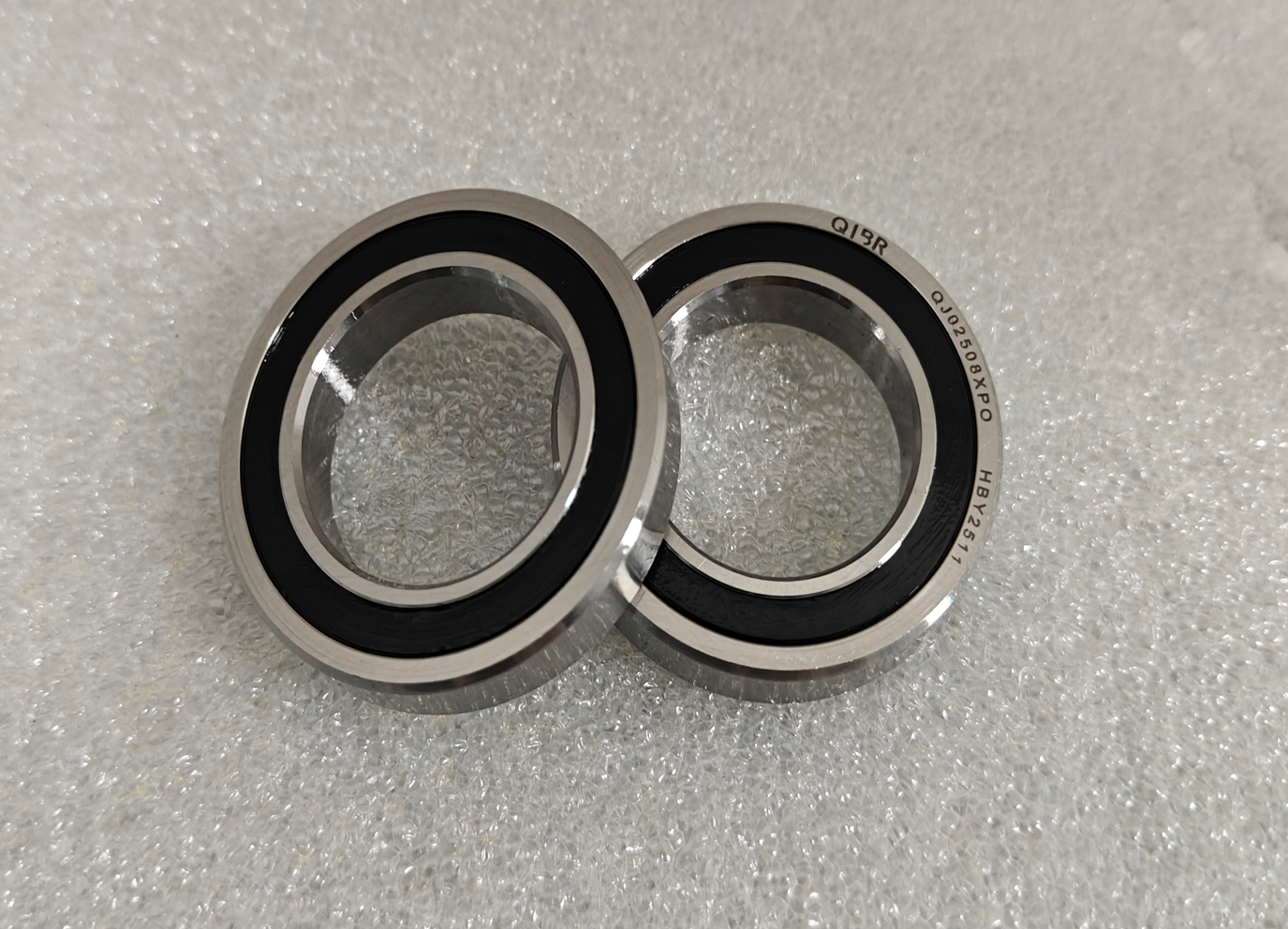
After washing, thin-section ball bearings must be dried immediately to remove surface moisture before being coated with anti-rust oil for preservation. The expected anti-rust effect is achieved only when a continuous, intact oil film is formed on the bearing surface. 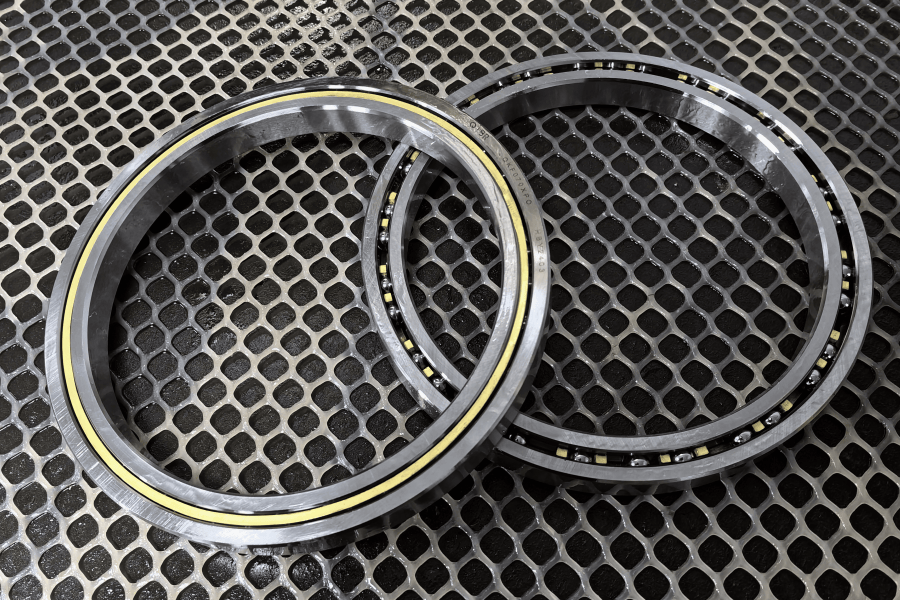
Anti-Rust Oil for Thin-Section Ball Bearings
Anti-rust oil functions by isolating the metal surface from the environment, thereby protecting the metal from corrosive agents and preventing rust. It achieves this through the use of specific additives in the base oil, which form a dense, orderly adsorbed film on the metal surface. Additionally, these additives capture and disperse polar substances—such as water and acids—by encapsulating them within micelles or aggregates, and displace water films or droplets from the metal surface, effectively blocking atmospheric oxygen, moisture, and acidic substances from corroding the metal. 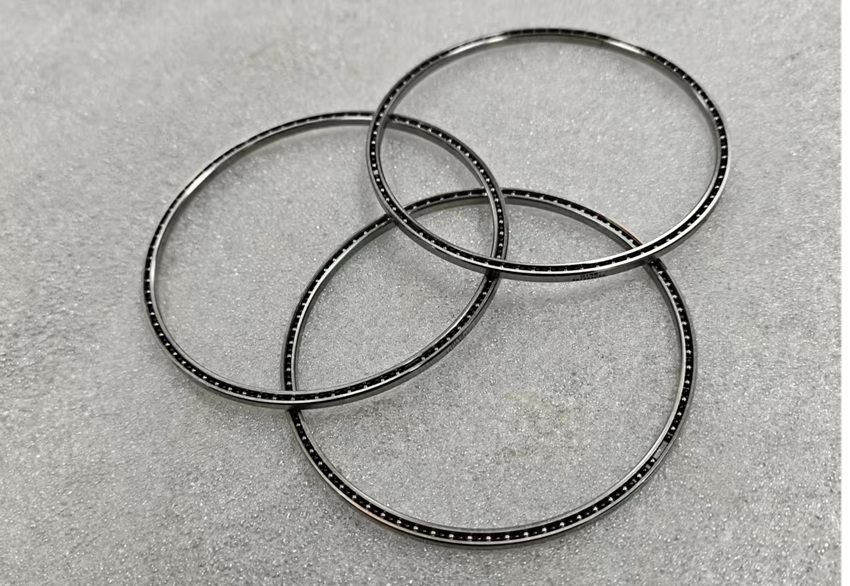
Currently, anti-rust oil is the most widely used preservation material for thin-section bearings in my country. However, high-quality anti-rust oil is merely a prerequisite for reliable preservation. In practice, the oil film must be uniform and continuous, with no gaps or defects; otherwise, corrosion will initiate at the sites of such defects. Furthermore, while an anti-rust oil coating prevents external moisture from condensing on the bearing surface, it cannot eliminate existing corrosion spots; if rust is already present on the parts prior to coating, the oil film cannot remove it, allowing corrosion to progress under certain conditions. 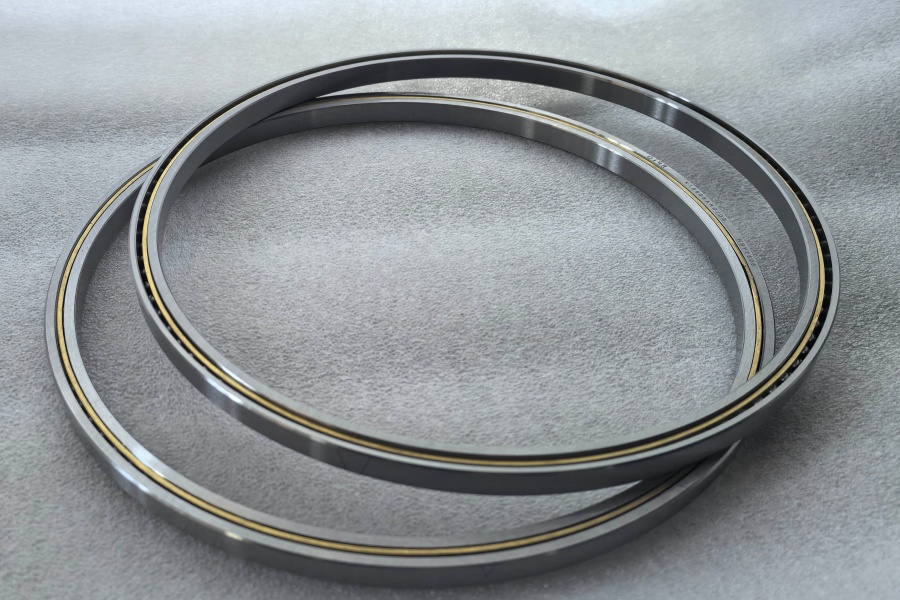
Characteristics of Anti-Rust Oil for Thin-Section Ball Bearings
With the development and widespread adoption of home appliances, manufacturers of major home appliances have imposed increasingly strict requirements regarding bearing noise levels. There are two primary quality requirements for miniature and small low-noise bearings: the vibration level and the vibration fluctuation value. Vibration levels can be reduced by improving the manufacturing quality of the inner and outer rings, steel balls, and cages, as well as by minimizing the surface roughness of the raceways. Reducing vibration fluctuation, however, requires enhancing the quality of the cleaning and anti-rust lubrication processes; consequently, the anti-rust oil must possess effective vibration-damping and noise-reducing properties. Low-viscosity anti-rust oil offers several advantages: it shortens the draining time for components, facilitates rapid packaging, and boosts labor efficiency; furthermore, it produces a relatively thin oil film, resulting in a bright, clean appearance for the bearings. It also lowers oil consumption costs due to the reduced amount of oil applied per unit area. Therefore, users prefer anti-rust oils with the lowest possible viscosity. For bearings shipped overseas in stacked packaging, the presence of warm, humid air and salt spray necessitates that the anti-rust oil provide resistance to heat and humidity, salt spray, and adhesion between stacked components.