Newsroom
Precision Thin section Ball Bearings is the Foundation of Intelligent Robot Manufacturing
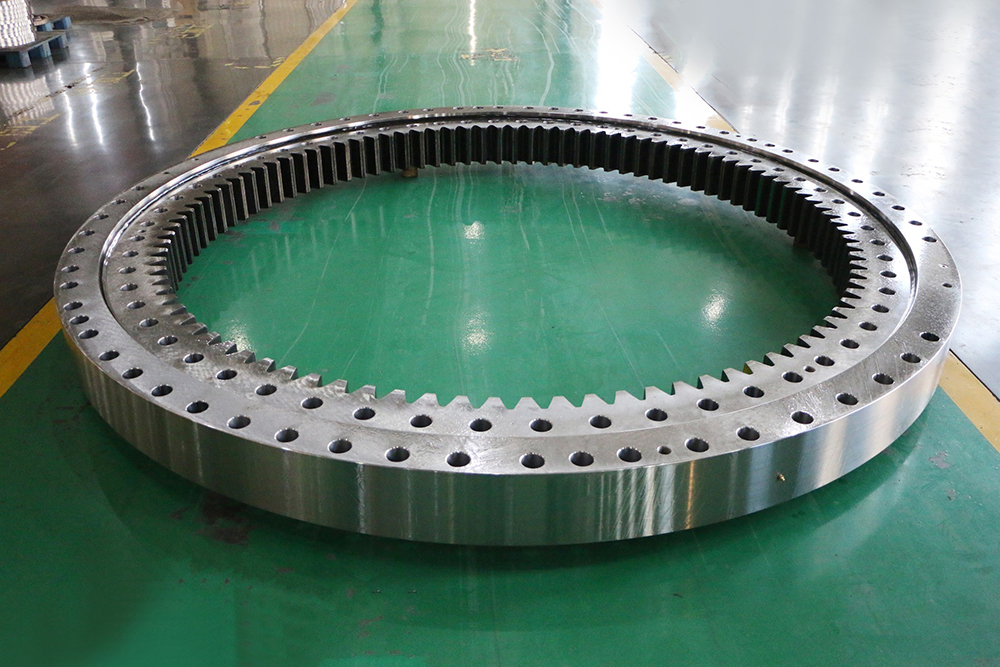
2026-05-29Today, with the rapid development of intelligent manufacturing and artificial intelligence, various robots are widely used in industrial production, public services, and high-end scientific and technological innovation. Whether it's a precision-operating industrial robotic arm, a flexible service robot, or a highly biomimetic humanoid robot, their efficient operation and precise performance rely on the coordinated cooperation of various core components. Among these components, thin section ball bearings, seemingly small, unassuming, and less attention-grabbing than motors and sensors, are the core foundation of robot motion systems and a crucial element ensuring stable equipment operation; their value and role cannot be ignored. 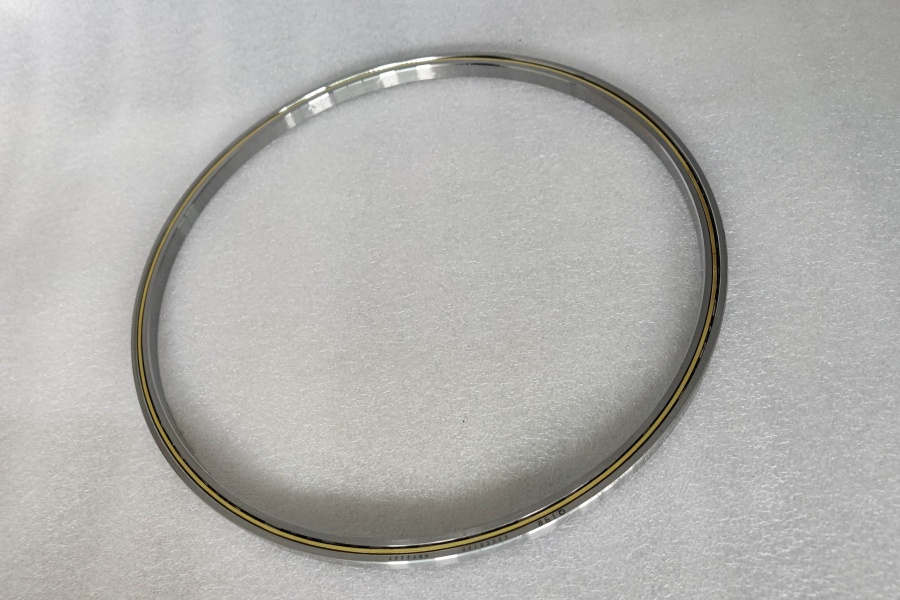
Thin section ball bearings are the "joints and bones" of robots, the basis for all motion functions. As a core component alongside motors, reducers, and sensors, all rotational, flexive, and displacement movements of robots rely on the support of thin section ball bearings. From the rotary joints and precision gimbals of industrial robots to the biomimetic limb joints of humanoid robots, and the transmission structures of intelligent equipment, thin section ball bearings consistently play a vital role in reducing friction, bearing loads, and ensuring stable operation. It effectively reduces frictional losses during mechanical operation, avoids rigid wear of components, and ensures smooth and precise movements for every robot. It can be said that without high-quality thin section ball bearings, the intelligent and precise movement of robots would be impossible. 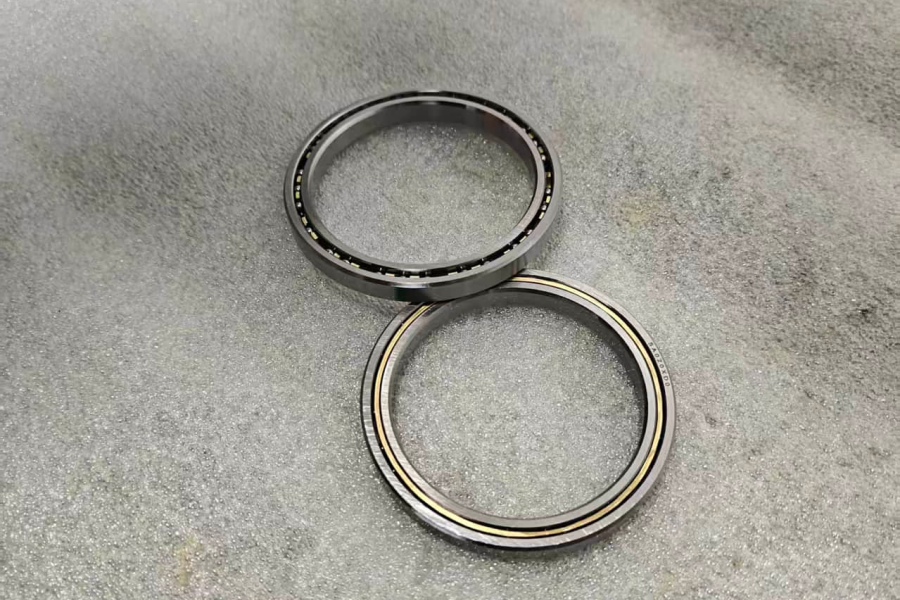
Compared to ordinary mechanical thin section ball bearings, the performance standards of robot-specific thin section ball bearings are extremely stringent, directly determining the operational accuracy and stability of the equipment. Modern robots perform high-frequency, repetitive, and high-precision tasks, placing extremely high demands on the precision, rigidity, and durability of components. Currently, high-precision thin section ball bearings and crossed roller thin section ball bearings suitable for robots not only meet the design requirements for miniaturization and lightweighting of equipment but also control the rotational clearance within an extremely small range, ensuring micron-level positioning accuracy. If the quality of the thin section ball bearing is substandard, even minute errors will be continuously amplified through mechanical transmission, directly causing robot positioning deviations, motion jamming, and trajectory deviations, ultimately leading to operational errors, product scrap, and a significant reduction in production efficiency. 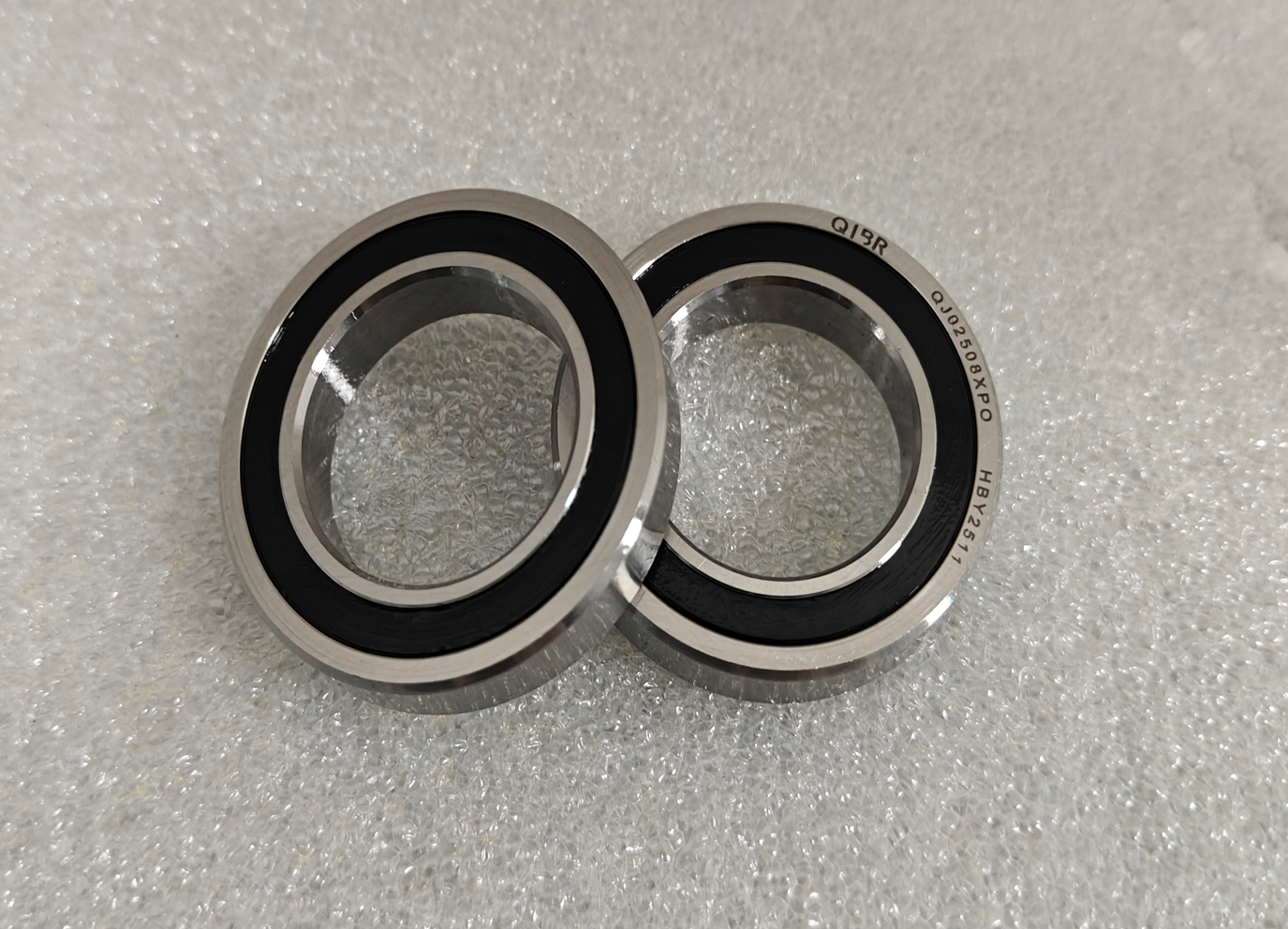
The quality of thin section ball bearings is also an "invisible line of defense" for the robot's service life and operational safety. Most industrial robots require continuous, 24/7 operation, constantly facing the challenges of high-frequency start-stop cycles, complex loads, and variable working conditions. High-quality thin section ball bearings offer advantages such as wear resistance, deformation resistance, fatigue resistance, and low noise, maintaining structural stability during high-intensity operation, delaying equipment aging, and effectively extending the overall machine's lifespan. Conversely, inferior thin section ball bearings are prone to wear, loosening, jamming, abnormal noise, deformation, and failure. This not only reduces robot precision and causes stiff movements but also leads to equipment vibration, component collisions, and other malfunctions, increasing maintenance costs and, in severe cases, causing production safety accidents. In daily maintenance, the root cause of most unexplained robot malfunctions and precision losses is often the aging, wear, or improper selection of thin section ball bearings. 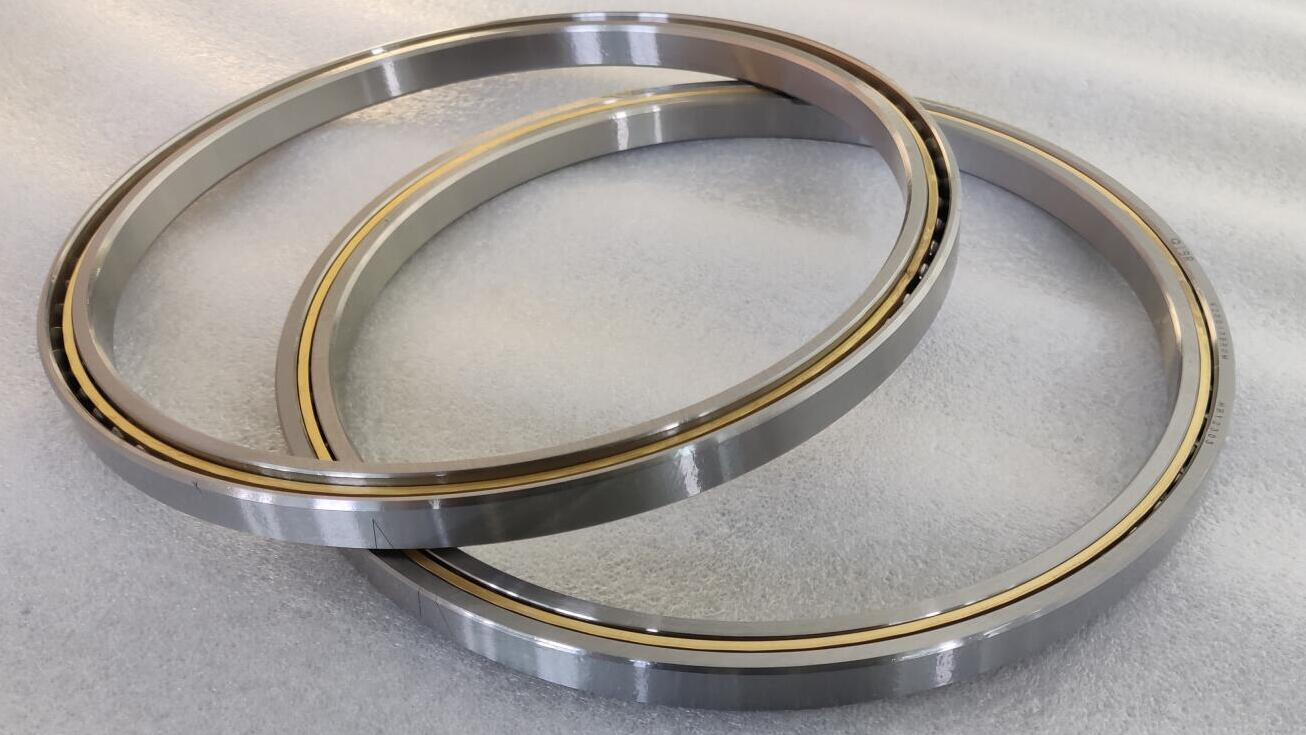
In the industry's development, there is a common misconception of prioritizing intelligent systems and core electronic controls while neglecting basic components. Often, a small failure in a thin section ball bearing can cause significant problems such as machine downtime and production disruptions. The high-end and intelligent development of robots is not merely a matter of piling up single technologies, but rather the pursuit of excellence in every single component.