Newsroom
Measurement Methods for Protrusion of Angular Contact Ball Bearings
2026-07-02 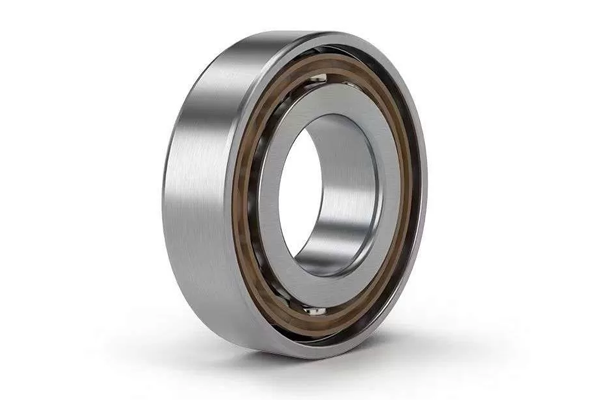 Angular contact ball bearings are widely applied in high-precision mechanical equipment including precision machine tools, high-speed motors and sophisticated precision instruments. The protrusion of an angular contact ball bearing refers to the distance by which the inner ring end face protrudes beyond the outer ring end face at the same bearing end after a preload is applied to a single bearing. As a critical parameter governing the service performance of bearings, the protrusion value must be measured as an essential procedure during bearing matching assembly, which requires dedicated measuring equipment.
Are you familiar with the common measurement methods for the protrusion of angular contact ball bearings? The technical team of Yunai Bearing has compiled a detailed summary for your reference as follows:
1. Pneumatic Pressurization Measurement
This method is predominantly adopted by manufacturers engaged in mass production and matching assembly of angular contact ball bearings. The fundamental measurement procedures are listed below:
Switch on the air supply and power supply, calibrate all pneumatic circuit components to the required operating state, mount the reference standard onto the mandrel and move it to the measuring station, apply the specified load, and set the dial gauge to the reference zero reading before removing the reference standard.
Fit the test bearing onto the mandrel with the outer ring reference end face for positioning. Apply a specified axial force perpendicular to the end face (namely the measuring load) to the lower end face of the inner ring. Measure the relative height difference between the non-reference end face of the inner ring and the reference end face of the outer ring, and obtain the maximum and minimum protrusion values by rotating the spindle. 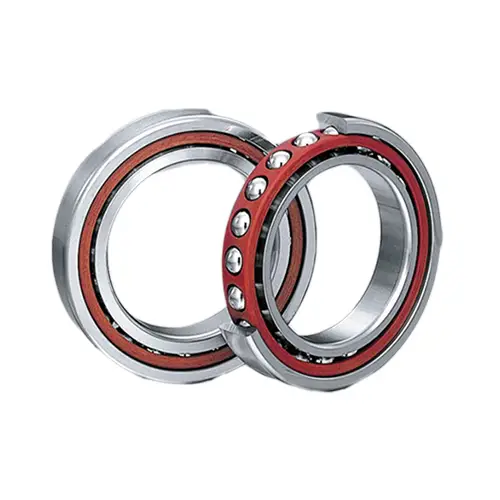
2. Lever Pressurization Measurement
Small-batch manufacturers or small-scale workshops conducting matching assembly of angular contact ball bearings mostly utilize the lever pressurization measurement method, whose basic measuring steps are as follows:
Adjust the counterweight position according to the required measuring load, install the reference standard on the mandrel and convey it to the measuring position, actuate the lever to apply the specified load, calibrate the dial gauge to the reference reading, then take down the reference standard.
Mount the test bearing on the mandrel and position it via the outer ring reference end face. The lever exerts an axial force perpendicular to the end face (measuring load) on the lower end face of the inner ring. Measure the relative height difference between the non-reference end face of the inner ring and the reference end face of the outer ring, and acquire the maximum and minimum protrusion values by rotating the mandrel. All measured bearing protrusion values shall be recorded with corresponding serial numbers for subsequent bearing matching assembly. 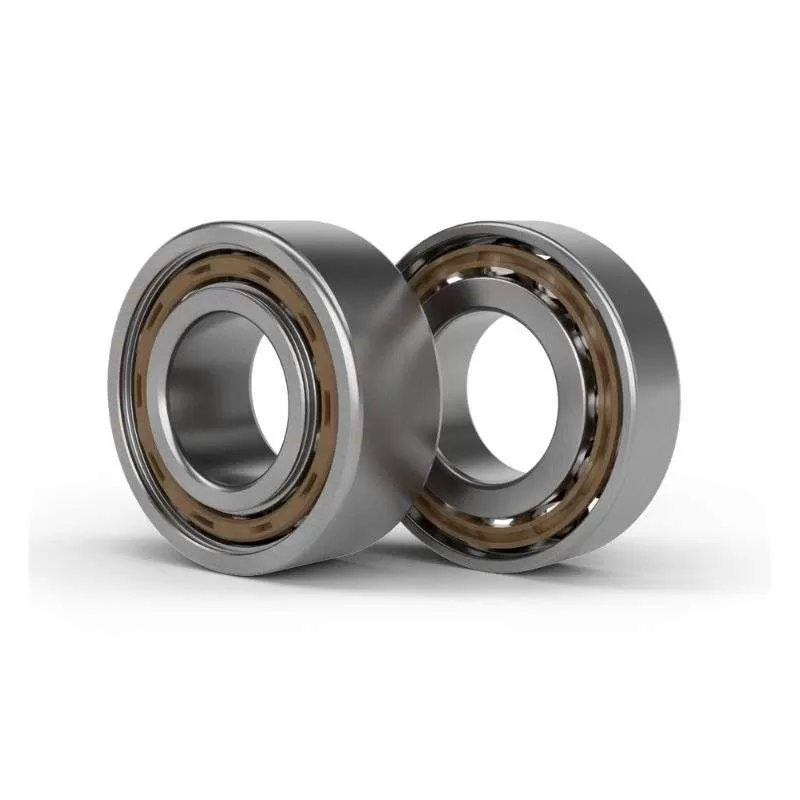
3. Alternative Instrument Measurement
Manufacturers that occasionally carry out bearing matching assembly without dedicated measuring equipment often resort to alternative instruments for protrusion measurement. This method was deployed to measure the protrusion of large-sized tandem matched angular contact ball bearings in a machining project, with specific operating steps shown below:
Mount the reference standard onto the positioning mandrel of the measuring device and shift it to the measuring station, calibrate the dial gauge to zero for the reference reading, then remove the reference standard.
Fit the test bearing onto the positioning mandrel and position it by the lower end face of the inner ring. Apply an axial force perpendicular to the end face via a measuring load sleeve on the outer ring reference end face, take the non-reference end face of the outer ring as the measuring point, and record the maximum and minimum protrusion values through mandrel rotation.
Measure the relative height difference f between the non-reference end face of the inner ring and the reference end face of the outer ring. The relative protrusion δ of the inner ring reference end face against the outer ring non-reference end face is calculated by the formula: δ=C+f−B.
Modified end runout testers or height gauges can be used as alternative instruments for bearing protrusion measurement.
The above covers the introduction to measurement methods for the protrusion of angular contact ball bearings, and we hope this content can bring practical value to readers.