Newsroom
Maintenance and Care Techniques for Thin-Section Ball Bearings
2026-05-29Thin section ball bearings, with their advantages of lightweight, high precision, low friction, and compact structure, are widely used in high-end fields such as precision instruments, automated equipment, robotics, and aerospace. Due to their extremely thin walls and intricate raceway and ball structure, their load-bearing capacity and impact resistance are relatively weak, placing stringent requirements on the operating environment, operating methods, and daily maintenance. Scientific maintenance can effectively reduce wear, corrosion, jamming, and other malfunctions, stabilize equipment operating accuracy, and significantly extend bearing life. 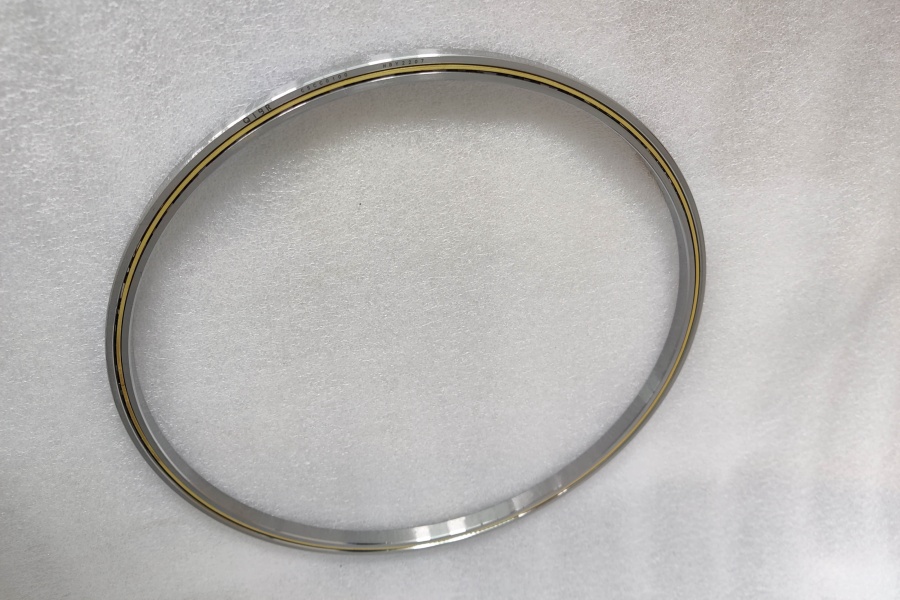
Cleaning is fundamental. The internal clearances of thin section bearings are minute, making it easy for dust and metal debris to adhere to the raceway and ball surfaces, causing precision damage and abnormal wear. During daily operation, external dust should be cleaned regularly. When disassembling and repairing, use a neutral, specialized cleaning agent with a soft cloth and brush to thoroughly clean oil stains and impurities. Strong acids and alkalis are strictly prohibited from use. After cleaning, allow the bearing to air dry naturally or dry it at a low temperature to prevent water residue and rust formation on the bearing surface. Before assembly, ensure the installation cavity is clean and dust-free. 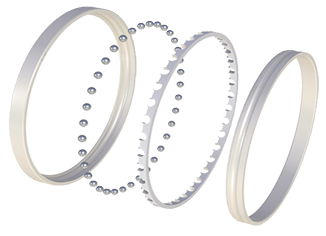
Proper lubrication is the core of operation and maintenance. For thin section ball bearings, given their high-precision, low-load operating characteristics, appropriate precision grease or oil must be selected. Lubrication methods should be applied using drip, oil mist, or grease, depending on the equipment's operating conditions. Lubrication must strictly adhere to the "small amounts, multiple times" principle. Excessive lubrication can cause overheating and seizure, while insufficient lubrication can lead to dry friction damage and decreased precision. The lubricant condition must be checked regularly; replace it immediately if it turns black, deteriorates, or becomes adulterated. Lubrication cycles should be fixed according to the equipment's operating frequency. 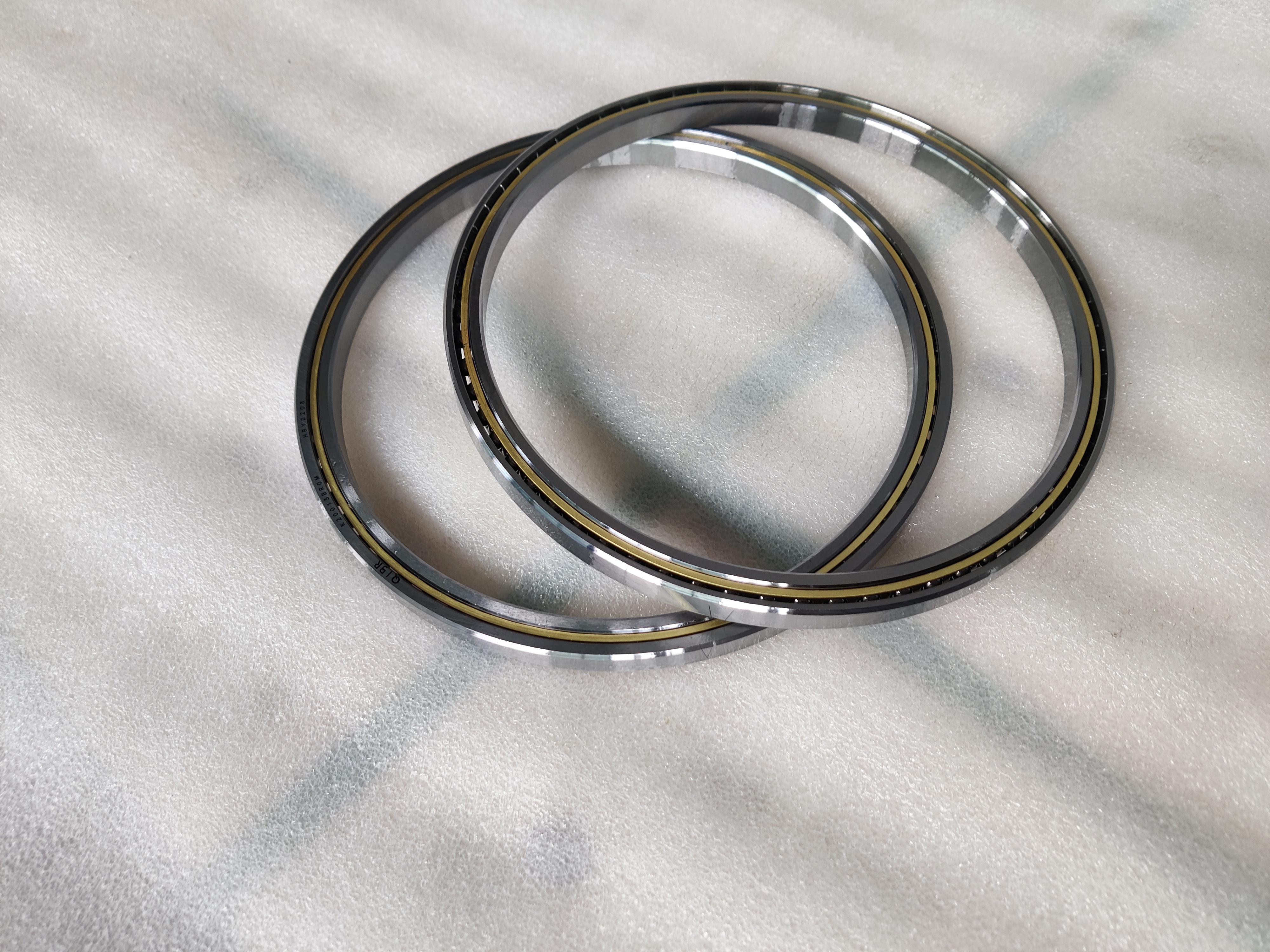
Daily inspections and proper storage are crucial. During equipment operation, the bearing's operating noise, vibration amplitude, and operating temperature must be monitored routinely. If any abnormal noise, rapid temperature rise, or abnormal vibration occurs, the machine must be stopped immediately for investigation. Idle bearings should be stored in a dry, sealed, dust-free environment, laid flat to avoid deformation from compression, and kept away from moisture and corrosive media. During installation, ensure coaxiality and avoid eccentric loading to reduce fatigue wear from the source and ensure long-term stable bearing operation.