Newsroom
How Ultra-Thin Bearings Help Reduce Robot Weight and Improve Performance
2026-07-31As robots continue to become smaller, faster, and more precise, engineers face increasing challenges in reducing weight while maintaining high performance. One key component that helps achieve this balance is the ultra-thin bearing.
Ultra-thin bearings provide excellent load capacity in a compact design, making them an ideal solution for robotic applications where space, weight, and accuracy are critical.
1. Compact Design Saves Valuable Space
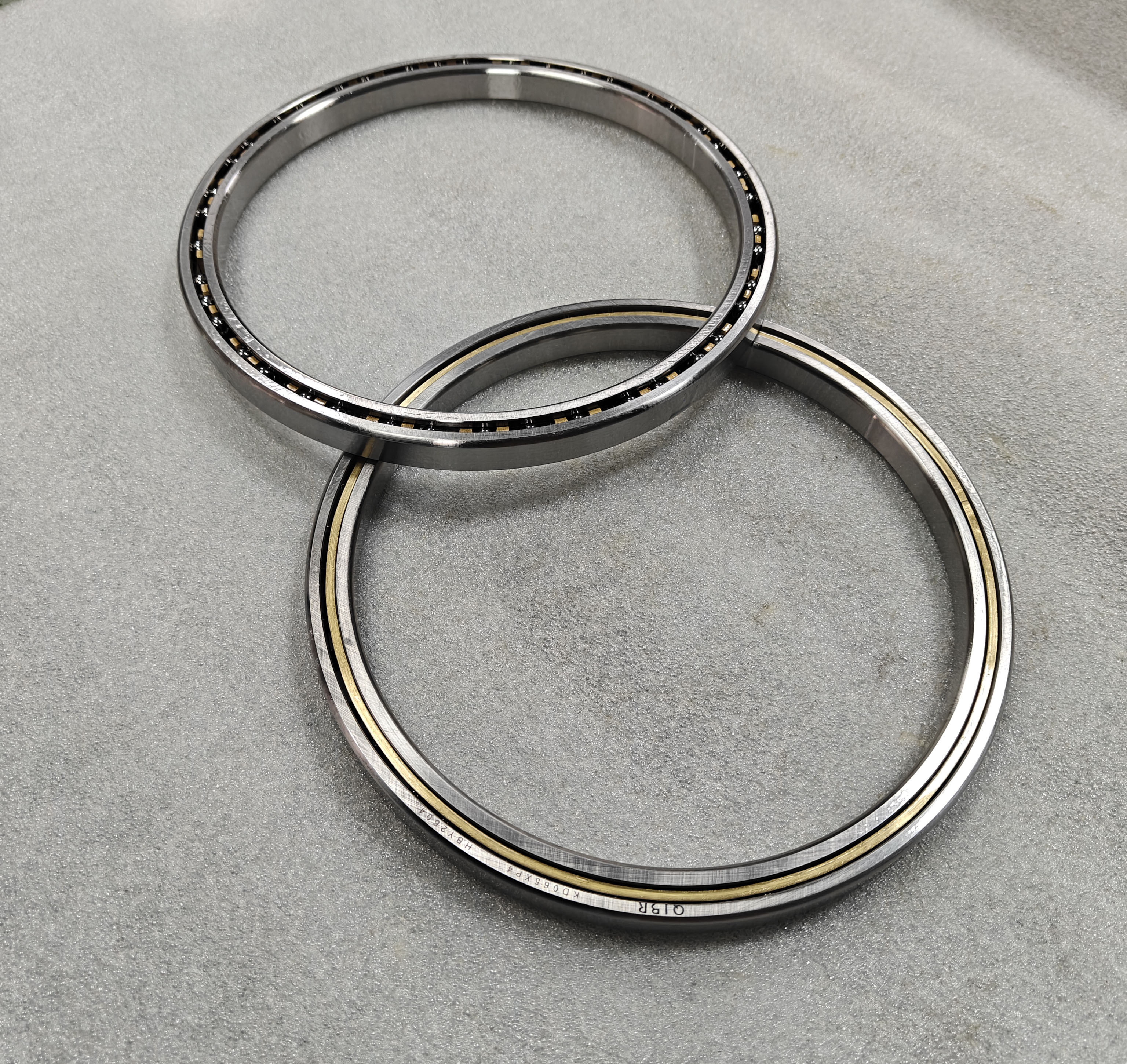
Traditional bearings often require more installation space due to larger cross-sections. Ultra-thin bearings feature a significantly reduced cross-sectional size while maintaining the same bore diameter.
This compact structure allows robot designers to:
- Reduce the size of joints and mechanical structures
- Create more compact robotic arms
- Increase design flexibility
- Save internal installation space
For applications such as robotic joints, precision positioning systems, and collaborative robots, every millimeter of saved space can improve overall system design.
2. Reducing Robot Weight Improves Energy Efficiency
The weight of robotic components directly affects energy consumption and movement speed.
By replacing conventional bearings with ultra-thin bearings, manufacturers can reduce the overall weight of robotic assemblies. A lighter robot requires less motor torque, resulting in:
- Lower energy consumption
- Faster acceleration and deceleration
- Reduced operating costs
- Longer battery life for mobile robots
This advantage is especially important for autonomous robots and battery-powered robotic systems.
3. High Precision Improves Robot Accuracy
Robots used in manufacturing, medical equipment, and automation require extremely high positioning accuracy.
Ultra-thin bearings are designed with:
- Low friction operation
- High rotational accuracy
- Excellent rigidity
- Minimal runout
These features help reduce mechanical errors and improve repeatability, allowing robots to perform precise movements consistently.
4. Better Performance in Robotic Joints
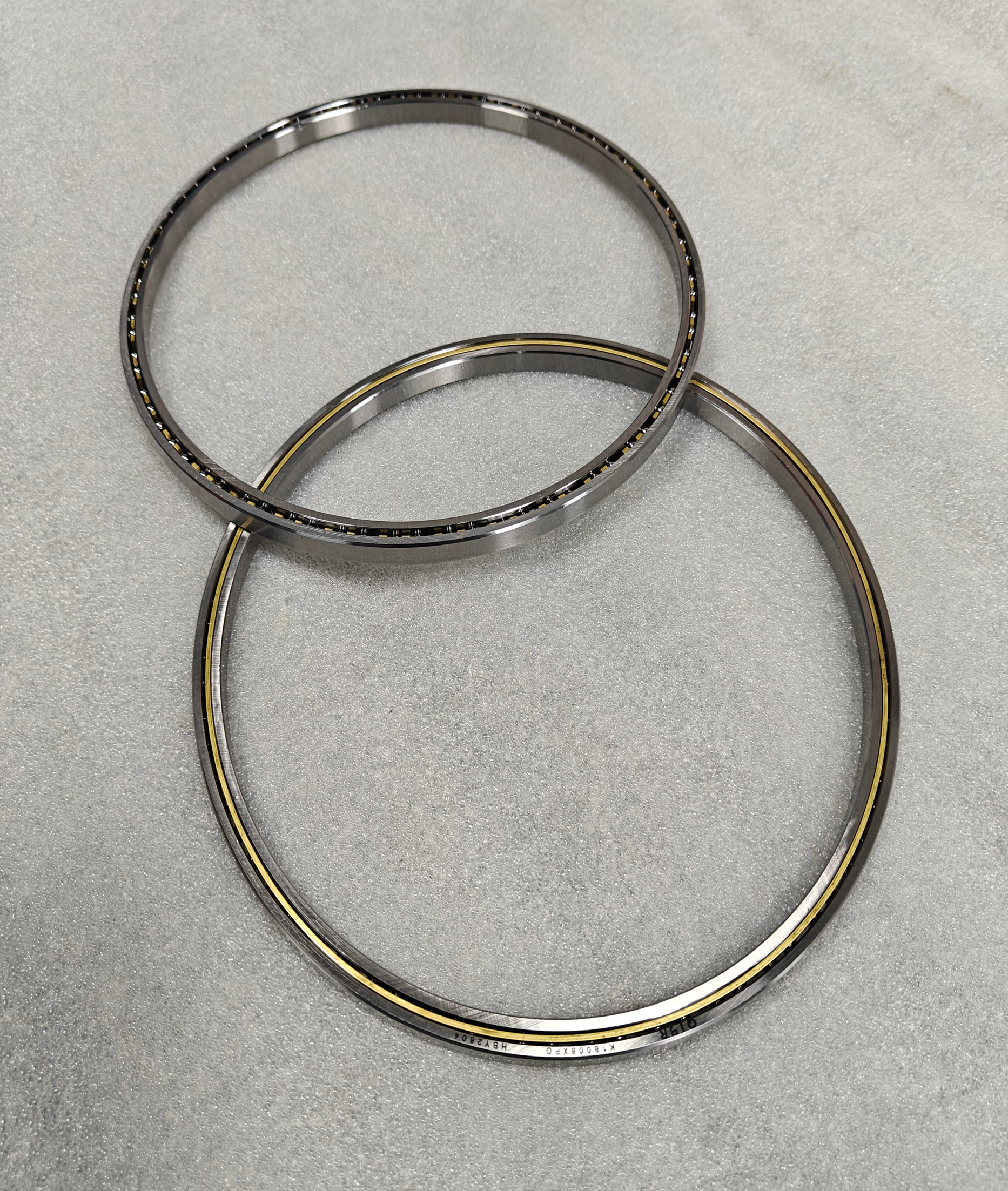
Robot joints are among the most demanding applications for bearings. They must handle combined loads while maintaining smooth movement.
Ultra-thin bearings can support:
- Radial loads
- Axial loads
- Moment loads
Their lightweight and high-performance design makes them suitable for:
- Industrial robot arms
- Collaborative robots (cobots)
- Humanoid robots
- Robotic grippers
- Precision automation equipment
5. Supporting the Future of Lightweight Robotics
The robotics industry is moving toward smaller, smarter, and more flexible machines. As robot designs become more compact, traditional bearing solutions may limit performance.
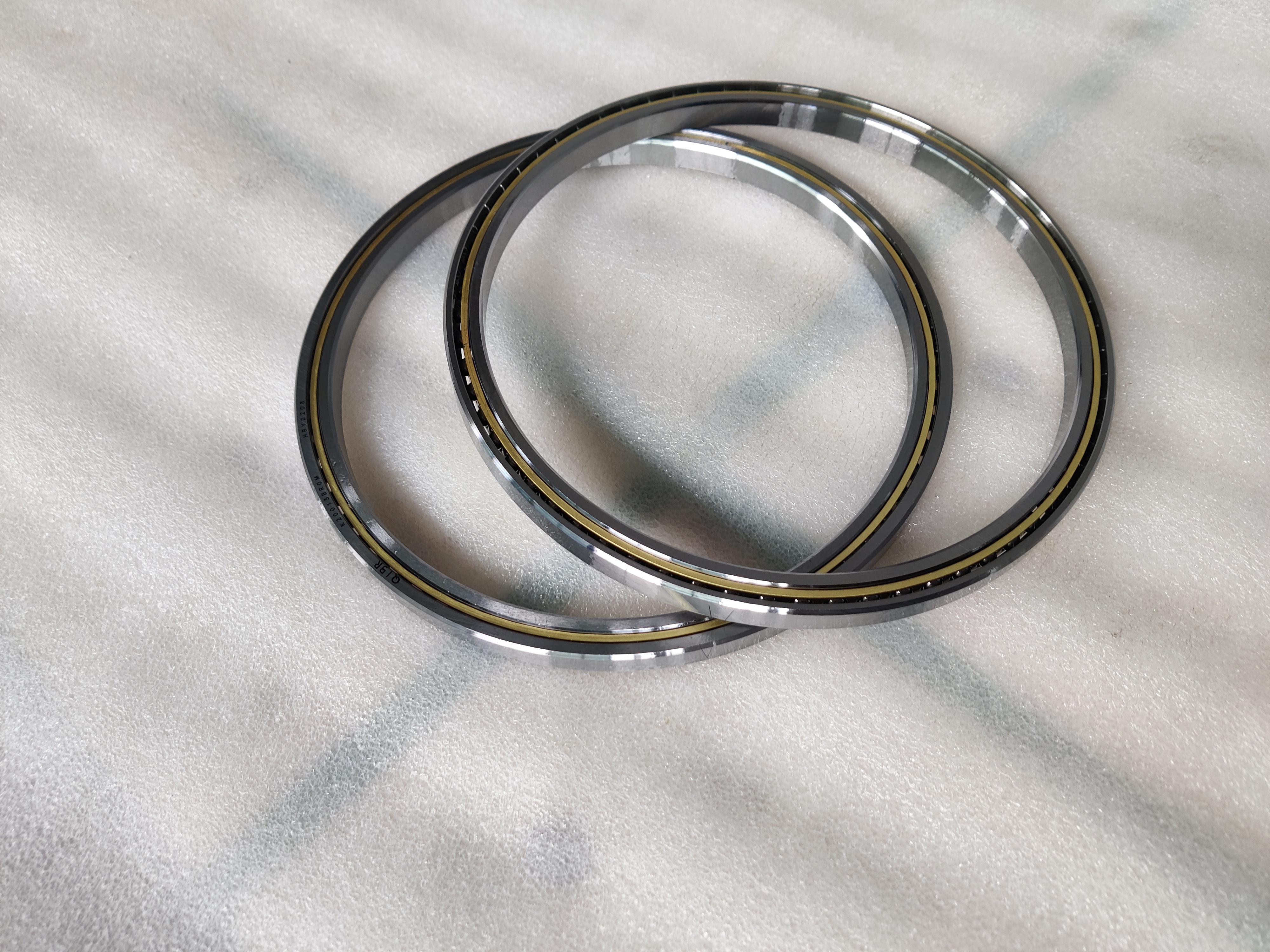
Ultra-thin bearings provide engineers with a reliable solution to achieve:
- Smaller robot designs
- Higher payload-to-weight ratios
- Improved motion control
- Greater efficiency
By combining compact dimensions with high precision, ultra-thin bearings play an important role in the next generation of robotic systems.
6. Conclusion
Ultra-thin bearings are more than just space-saving components. They help reduce robot weight, improve energy efficiency, enhance precision, and enable innovative robotic designs.
For engineers developing advanced robotic systems, selecting the right ultra-thin bearing can make a significant difference in overall performance and reliability.