Newsroom
How should thin-section ball bearings be maintained and serviced?
2026-05-29Maintenance and servicing of thin-section ball bearings can be approached in the following ways:
1. Cleaning and Maintenance: Prevent thin-section ball bearings from coming into contact with impurities such as dust, debris, and metal particles, as these can cause wear and damage. Regularly clean the area surrounding the bearings to ensure there is no residue or foreign matter. Use appropriate seals and protective covers to minimize the ingress of dust and other particulate matter. 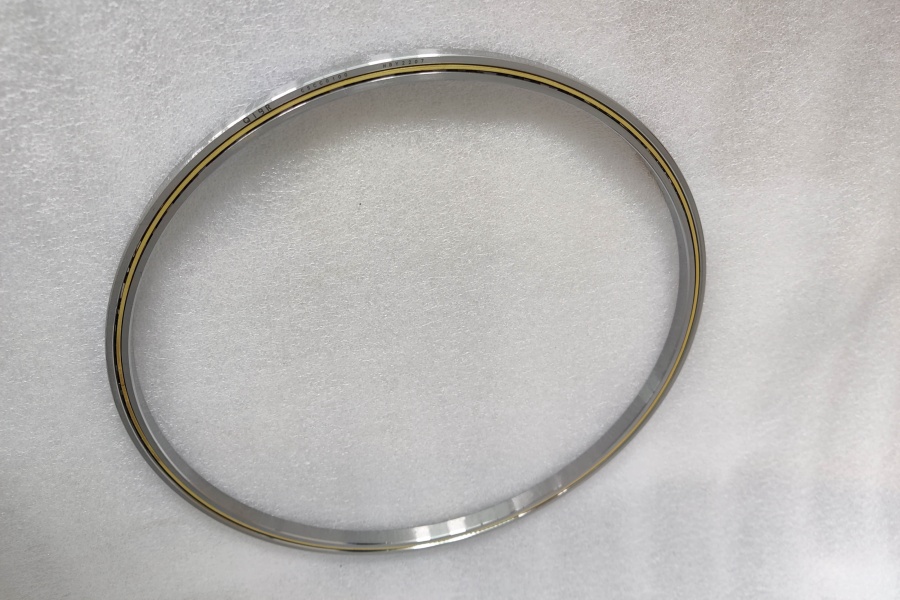
2. Lubrication: Select the appropriate lubricant based on the bearing type and operating environment. Change the lubricant regularly, typically based on usage time or mileage. Avoid using excessive or insufficient lubricant, as this can lead to overheating or inadequate lubrication. For high-precision, high-speed thin-section ball bearings, the use of specialized greases or lubricating oils is recommended.
3. Temperature Control: Regularly monitor the temperature of the thin-section ball bearings to ensure they remain within the normal operating range. For high-temperature environments or heavy-load applications, consider using specialized materials and installation methods to reduce operating temperatures. 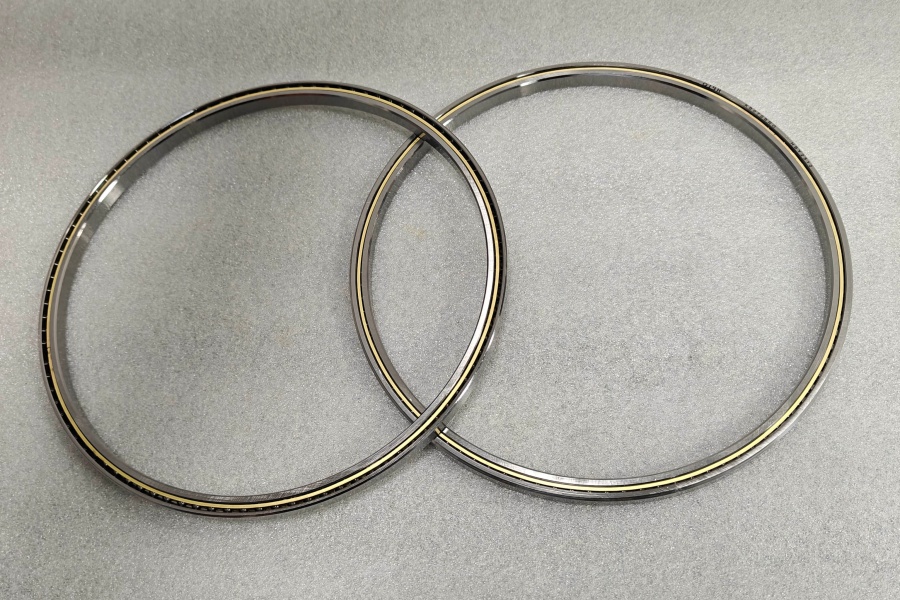
4. Regular Inspection and Maintenance: Conduct periodic inspections of the bearings, checking their appearance, lubrication status, and mounting security. Implement preventive maintenance for bearing types prone to failure. Regularly replace components susceptible to wear, such as balls or cages. During maintenance, follow correct installation procedures and use appropriate tools to avoid causing further damage to the bearings. 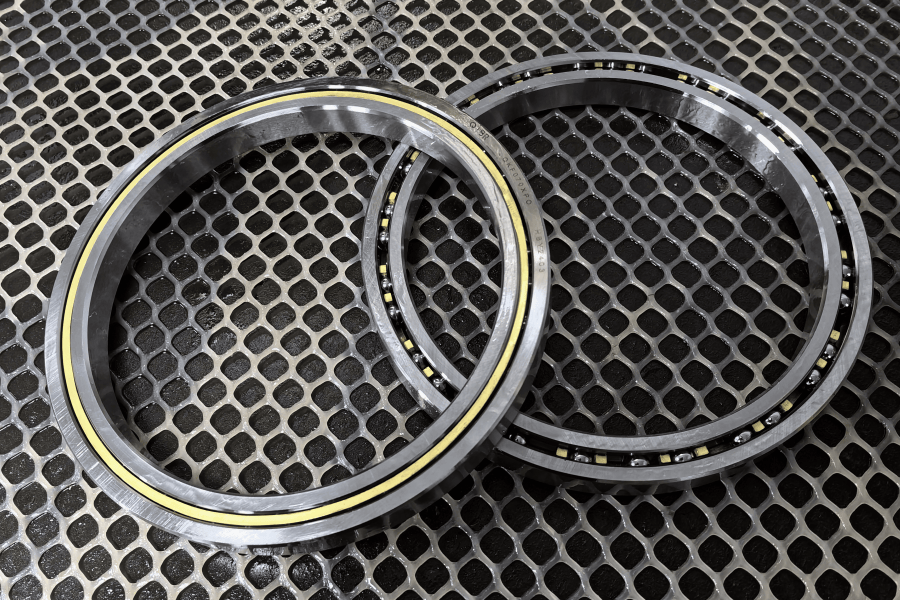
5. Proper Installation: Select the correct installation method and tools based on the bearing type and equipment requirements. Apply appropriate pressure and speed during installation to ensure proper alignment and fit between the inner and outer rings, thereby preventing friction and vibration. After installation, verify that the bearing is securely mounted and that the equipment is correctly positioned and aligned. 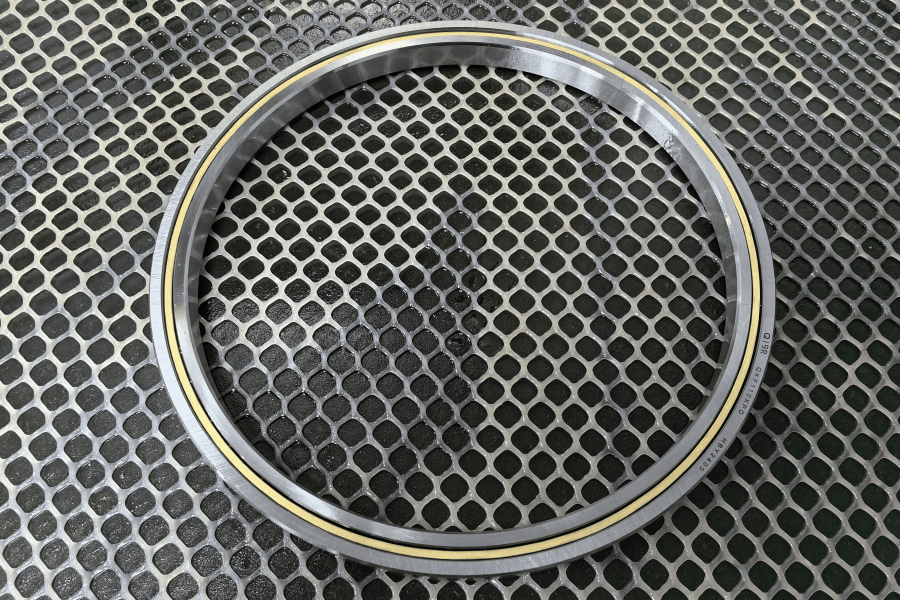
6. Avoid Overloading: Ensure the equipment operates within its rated load capacity to avoid overloading. If the equipment load changes, adjust the bearing setup to accommodate these changes. For heavy-load applications, select thin-section ball bearings with appropriate strength and thickness. 7. Avoid shock and vibration: Prevent thin-section ball bearings from being exposed to shock or vibration, as this can cause damage or loosening. For applications susceptible to shock, consider using bearings with cushioning features or other shock-resistant designs.