Newsroom
Design Principles of Thin section Ball Bearings
2026-05-29Thin section ball bearings are the rotating core of mechanical equipment, playing a crucial role in supporting the shaft, reducing friction, and ensuring operational accuracy. Their design is not simply a matter of selection and assembly, but a systematic engineering process that considers load, structure, friction, operating conditions, and manufacturing processes. The core design principles can be summarized as four core elements: fit, load stability, loss reduction, and durability, which permeate the entire design process. 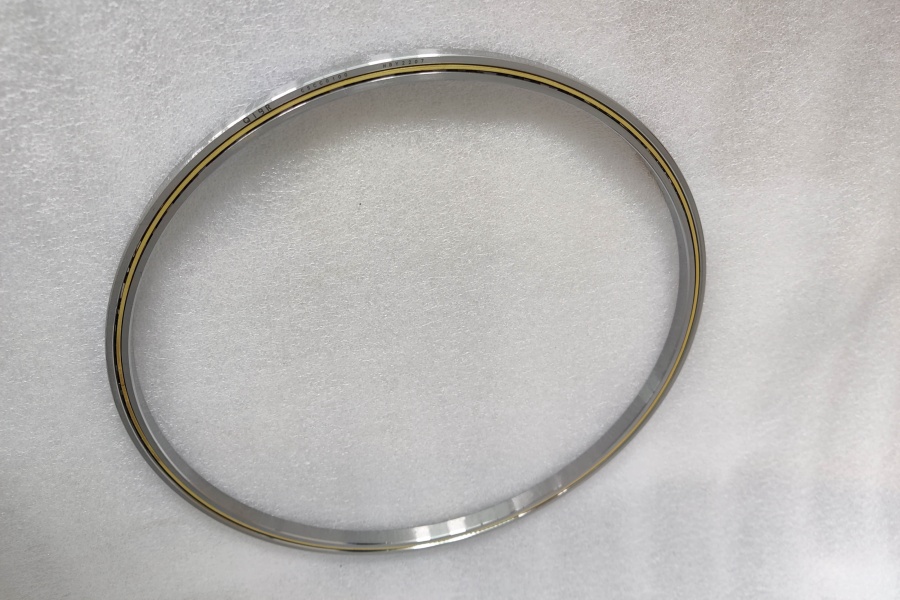
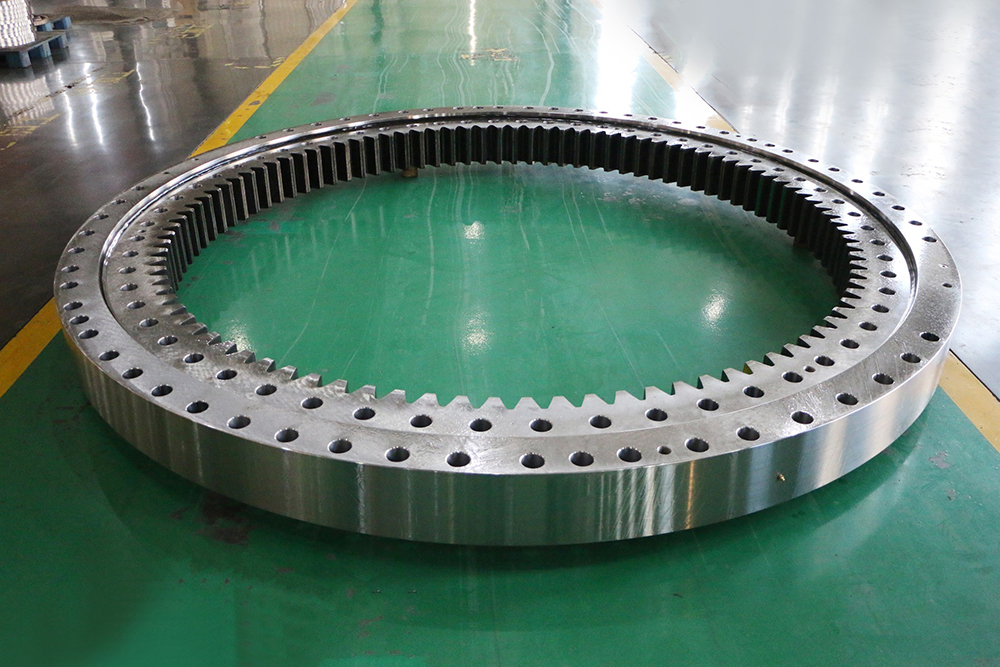
Load fit is the primary principle in thin section ball bearing design. The design must precisely match the actual operating conditions of the equipment, selecting the type and specifications of thin section ball bearing based on the magnitude of radial load, axial load, and dynamic impact load. For heavy-load, low-speed scenarios, roller thin section ball bearings are preferred, relying on their line contact structure to enhance load-bearing capacity; for light-load, high-speed conditions, ball thin section ball bearings are suitable, utilizing their point contact characteristics to reduce motion resistance. Simultaneously, fatigue life must be rigorously calculated to avoid early fatigue failure caused by long-term alternating loads, ensuring that the load-bearing capacity of the thin section ball bearing is precisely matched to the equipment's operating conditions with reasonable margins. 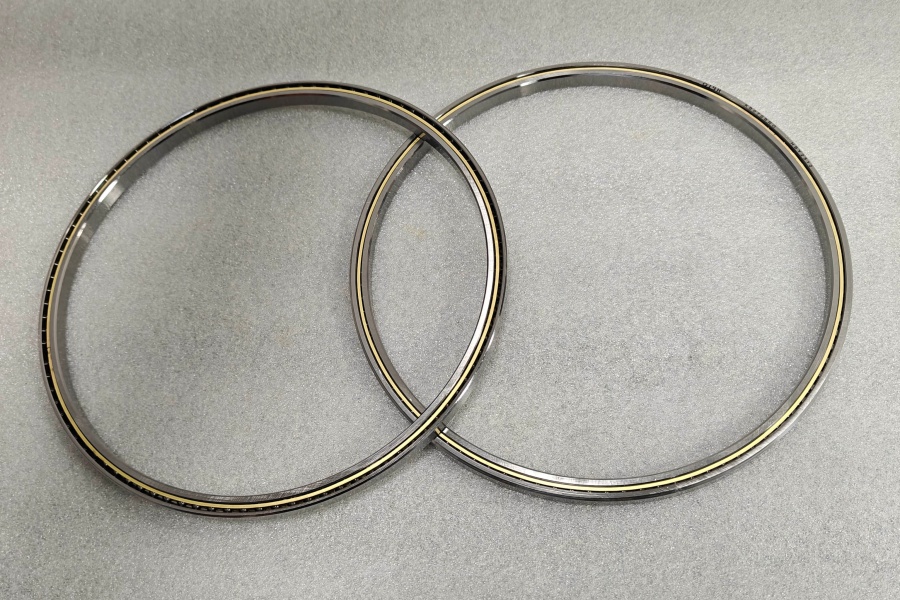
Structural stability and accuracy are the core key to ensuring operational precision. The layout of thin section ball bearings must adhere to the principle of symmetry and balance. Precision equipment employs a symmetrical arrangement to offset thermal deformation and force shifts during operation, thereby improving operational stability. Considering the thermal expansion characteristics of the shaft, a combination structure of fixed and floating ends is required, with reasonable expansion clearance to prevent shaft jamming and thin section ball bearing deformation under high-temperature conditions. Furthermore, the bearing housing and shoulder support structure must ensure sufficient rigidity and concentricity, shortening the cantilever force distance and eliminating vibration and eccentric wear caused by structural deviations. 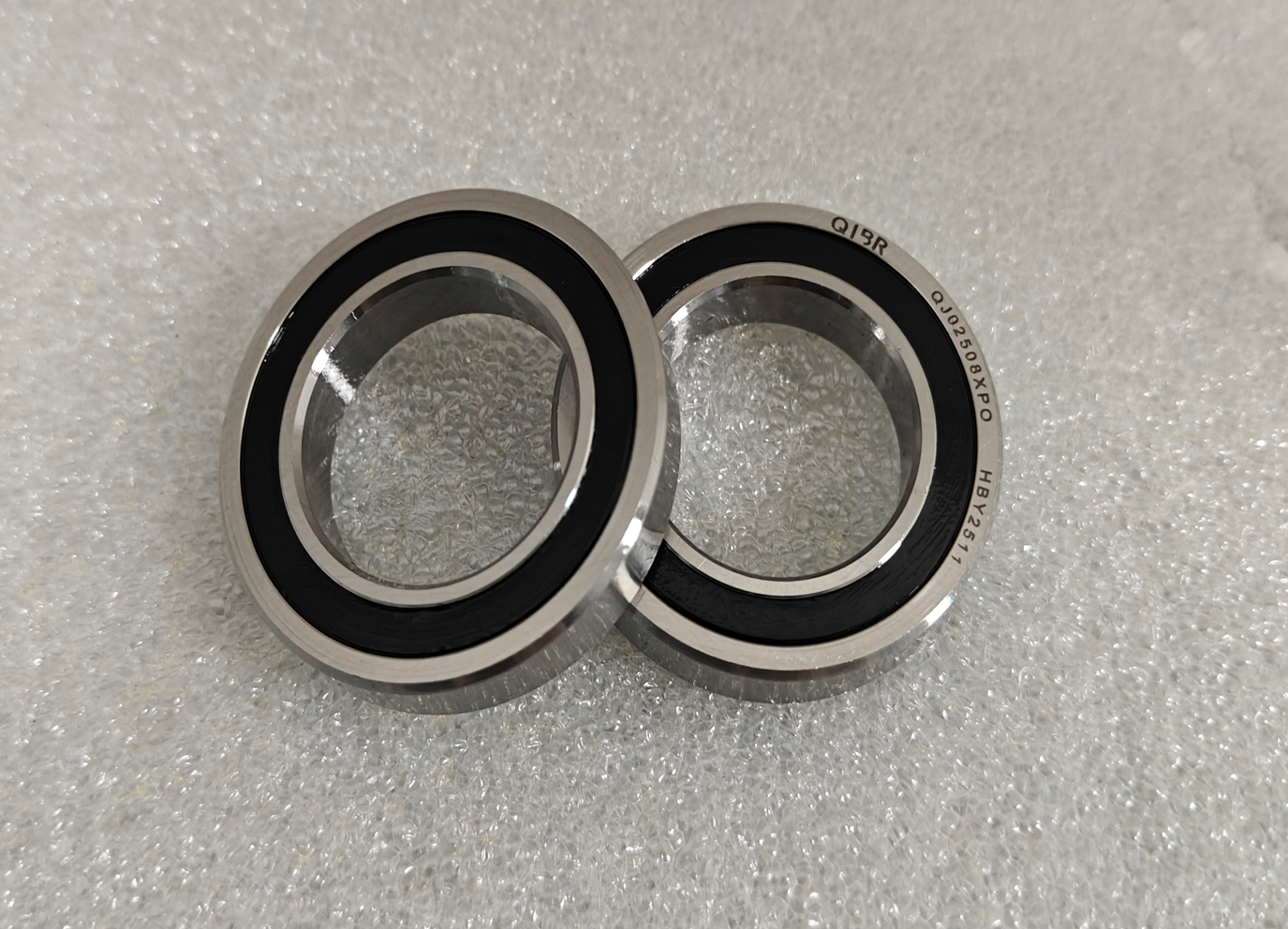
Friction lubrication is the core means of extending the life of thin section ball bearings. The design must follow the principle of "reducing drag as needed and adapting lubrication," matching the lubrication scheme according to speed, temperature, and operating environment. Low-viscosity lubricating oil is used for high-speed, light-load applications to reduce frictional power consumption and temperature rise; high-viscosity lubricating media is used for heavy-load, low-speed applications to form a stable oil film to buffer the force. Simultaneously, a complete sealing structure is used to isolate dust, moisture, and impurities from intrusion, preventing lubricating media failure and reducing wear, corrosion, and jamming from the source, ensuring continuous low-loss operation of the thin section ball bearing. Process compatibility is the fundamental guarantee for practical application. The fit tolerances, installation space, and disassembly/assembly processes of thin section ball bearings must closely match production assembly requirements. The fit precision between the shaft and the thin section ball bearing, and between the bearing housing and the bearing itself, must strictly adhere to standards. The shoulder dimensions must be precisely matched to the bearing specifications to avoid both excessive interference causing bearing deformation and excessive clearance leading to wobbling or misalignment. Maintainability must also be considered, with ample space for disassembly and assembly to simplify later maintenance and replacement processes, balancing equipment performance and operational efficiency. 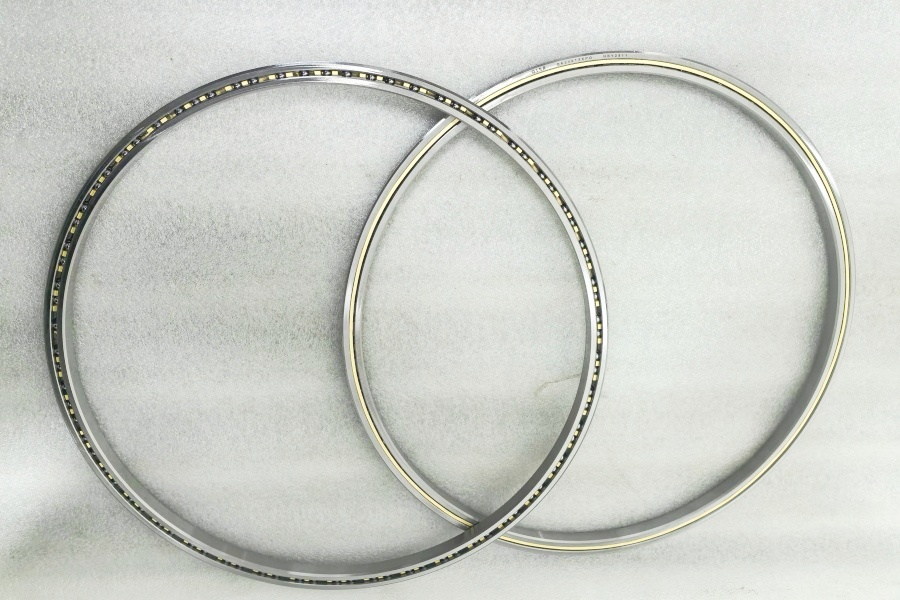
In short, the essence of thin section ball bearing design is balance and compatibility. Selection based on operating conditions, stability through structure, lifespan extension through lubrication, and practicality through process control—these four principles complement each other, enabling thin section ball bearings to achieve high-precision, low-loss, and long-life stable operation in various mechanical systems.