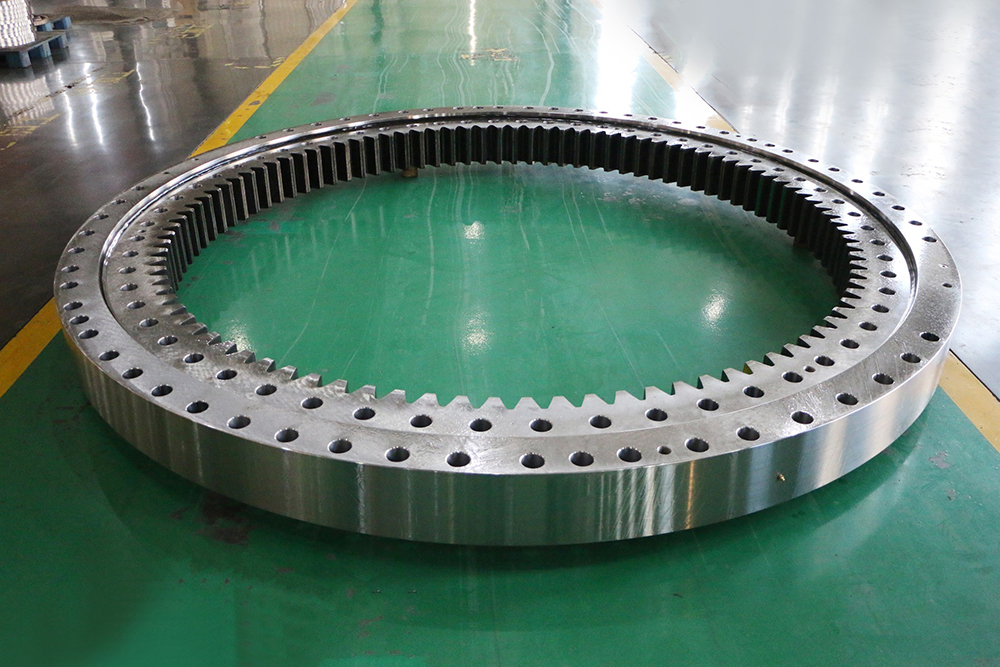
Newsroom
Characteristics and Daily Applications of thin section Ball Bearings
2026-05-29Thin section ball bearings are divided into constant cross-section thin section bearings and conventional ultra-thin thin section bearings. Their most prominent features are small cross-sectional dimensions and thin inner and outer ring walls, resulting in a significant reduction in volume and weight compared to standard bearings of the same inner diameter. They are key components in the miniaturization design of precision equipment. 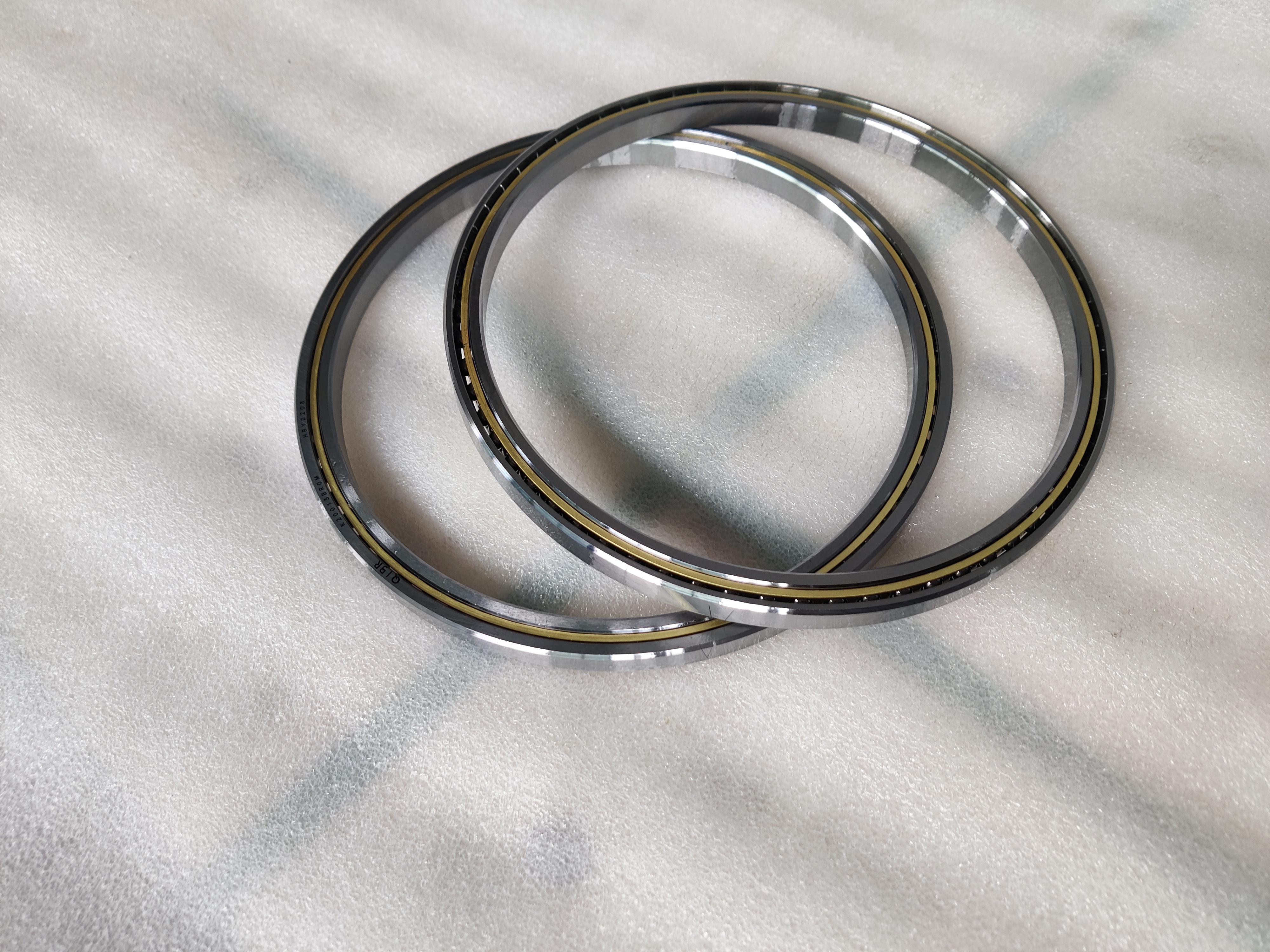
I. Main Characteristics
First, lightweight and thin structure, saving installation space. With the same inner diameter, the radial thickness of the thin section bearing is much smaller than that of ordinary bearings, greatly reducing the volume of the equipment housing. The hollow structure facilitates the passage of cables and pipes through the shaft, meeting the layout requirements of compact equipment and effectively reducing the overall weight.
Second, low operating friction and sensitive start-up. The smaller diameter of the steel balls and the compact rolling contact surface result in low frictional torque, rapid bearing start-up and stop response, less likelihood of jamming at low speeds, low operating noise, and low temperature rise, making them suitable for low-speed to medium-high-speed rotational conditions. 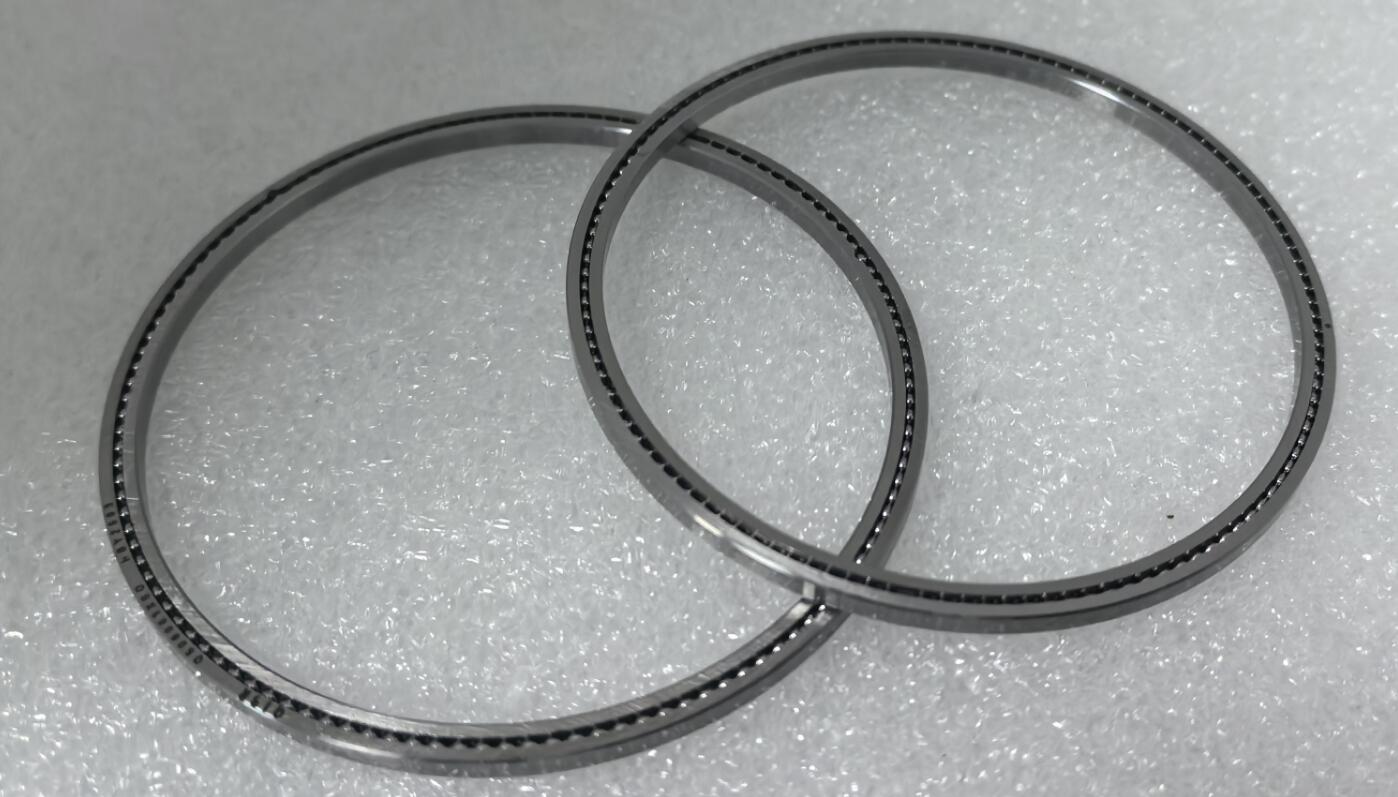
Third, distinct load characteristics and a wide variety of types to choose from. Deep groove ball bearings can withstand radial loads and a small amount of bidirectional axial loads; angular contact bearings can withstand radial and combined axial loads, and pre-tightening in pairs can improve rigidity and resistance to overturning moments; four-point contact thin section bearings can withstand radial, bidirectional axial, and overturning moments, meeting complex stress conditions.
Fourth, high precision and controllable deformation. Precision-grade products can reach P4 and P2 precision, with precision-ground raceways and high rotational accuracy. However, due to the thin section structure, the bearings have weaker impact resistance and heavy load capacity, making them unsuitable for heavy-load and harsh impact environments. Furthermore, thin section bearings with uniform cross-sections within the same series have good versatility, allowing for replacement of bearings with different inner diameters without modifying the mounting base. 
II. Daily Applications Widely used in industrial automation, thin section bearings are extensively used in various collaborative robot joints, harmonic reducers, and indexing rotary platforms. Their lightweight design reduces motion inertia, ensuring precise reciprocating motion of robotic arms.
In the optoelectronics and semiconductor industries, optical lens rotating brackets, wafer inspection fixtures, and precision fine-tuning turntables rely on high-precision thin section bearings to achieve micron-level positioning and adapt to cleanroom production environments.
In medical equipment, surgical instrument shafts, imaging equipment rotating brackets, and internal transmission components of portable diagnostic and treatment instruments require low noise and lightweight design, making thin section bearings an important application scenario.
Furthermore, lightweight rotating mechanisms such as aerial photography gimbals, small servo motors, precision testing instruments, office automation equipment, small airborne instruments, and intelligent warehousing miniature rollers are all commonly equipped with thin section ball bearings.
Through its space advantages and precision operation characteristics, thin section ball bearings have become an indispensable basic component of lightweight precision mechanical equipment.